






Mwea Irrigation Scheme farmers have elected 80 Unit and 380 Line leaders in a landmark vote monitored by the Independent Electoral and Boundaries Commission (IEBC). A total of 18,423 water users participated, marking a major step toward strengthening farmer-centered governance and accountability in the scheme.
The newly elected leaders have been tasked with prioritizing farmers’ concerns, including access to water, maintenance of farm roads, and extension services. Many farmers say the high cost of transporting rice from farms to main roads, often reaching Sh300 per 60kg bag during the rainy season, is eating into profits. Poor road conditions remain a major challenge, affecting both livelihoods and produce delivery.
Farmers also called for swift renovation of water canals to ensure smooth irrigation and full representation at the National Irrigation Board. Despite the operationalization of Thiba Dam, water shortages persist due to climate change and expansion of rice acreage. Farmers urged the government to fast-track construction of the planned Nyamindi Dam to improve storage and guarantee consistent supply during dry spells.
Joseph Murimi, a local farmer, noted, “The levies we pay have not translated into tangible improvements, especially for roads. We expect the new leaders to take immediate action.” John Karuigi added that qualified leadership will ensure farmers’ voices are fully represented in irrigation decision-making, moving beyond routine canal maintenance.
Elizabeth Kanambiu dismissed claims that water is being sold to some units, emphasizing that shortages are natural and dependent on rainfall. The National Irrigation Authority supported the elections, providing logistics and oversight, aligning the process with Kenya Vision 2030 and the Bottom-Up Economic Transformation Agenda (BETA).
The IWUA elections aim to strengthen farmer-led governance structures, improve irrigation service delivery, and promote sustainable agricultural productivity and food security across the scheme.

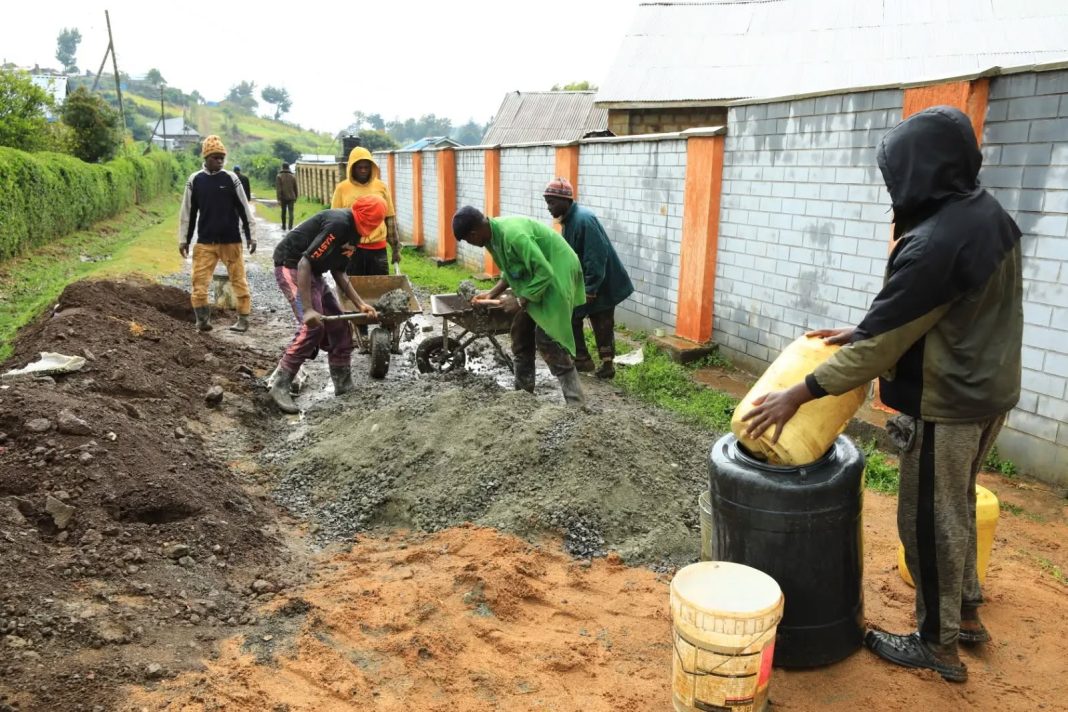
. A total of 18,423 water users participated, marking a major step toward strengthening farmer-centered governance and accountability in the scheme.)
Your place is valueble for me. Thanks!…
olcuy1
h6bc63
adn88h
As a Newbie, I am permanently browsing online for articles that can benefit me. Thank you
Hello! I could have sworn I’ve been to this blog before but after browsing through some of the post I realized it’s new to me. Anyways, I’m definitely happy I found it and I’ll be book-marking and checking back frequently!