





A parliamentary probe has uncovered serious financial and governance lapses across Kenya’s public health institutions, raising alarm over the use of taxpayer funds and the safety of vital services.
The National Assembly’s Public Investments Committee on Social Services, Administration, and Agriculture (PIC-SSAA), chaired by Navakholo MP Emmanuel Wangwe, reviewed Auditor-General reports for 2022/2023 and 2023/2024, exposing billions of shillings at risk due to missing assets, procurement irregularities, and weak financial controls.
Kenyatta National Hospital (KNH) lost Ksh36 million in rental revenue, even as the board approved a 10 per cent rent increase on aging residential units amid falling income. Auditors also flagged restricted requests for quotations bypassing competitive tendering and questioned framework contract shifts during COVID-19.
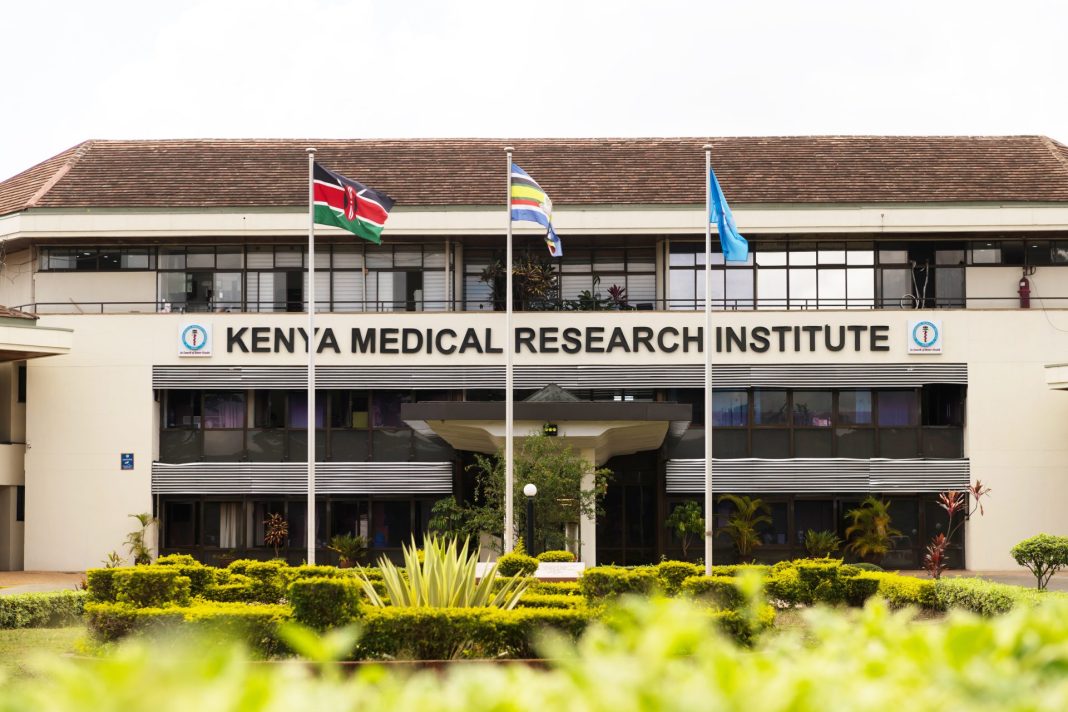
At the Kenya Medical Research Institute (KEMRI), the committee revealed a 2.4-hectare Nairobi land parcel valued over Sh4 billion had been used as collateral without proper authorisation. Sixty-six motor vehicles remain unrecorded, and a Sh143 million mortgage fund lacked Cabinet Secretary approval, breaching the Public Finance Management Act.
The Pharmacy and Poisons Board (PPB) faced scrutiny over regulatory gaps, undisclosed property in Machakos, Ksh75 million tied to land without a title deed, and irregular vehicle repair expenses.
PIC-SSAA Vice-Chair Caleb Amisi warned that without urgent reforms, public trust in Kenya’s health sector could erode further. The committee called for strengthened governance, stricter oversight, and accountability to protect public funds and ensure uninterrupted health service delivery.


I conceive you have observed some very interesting details , thanks for the post.
I’ll immediately grasp your rss feed as I can’t in finding your e-mail subscription link or newsletter service. Do you’ve any? Kindly allow me recognize in order that I may subscribe. Thanks.
I’ve read several just right stuff here. Certainly worth bookmarking for revisiting. I surprise how a lot effort you set to create this type of great informative website.
Together with the whole thing which seems to be building throughout this subject material, many of your opinions happen to be quite refreshing. Having said that, I appologize, but I do not give credence to your entire theory, all be it radical none the less. It would seem to everybody that your comments are actually not totally validated and in fact you are yourself not wholly convinced of the point. In any case I did enjoy reading it.