





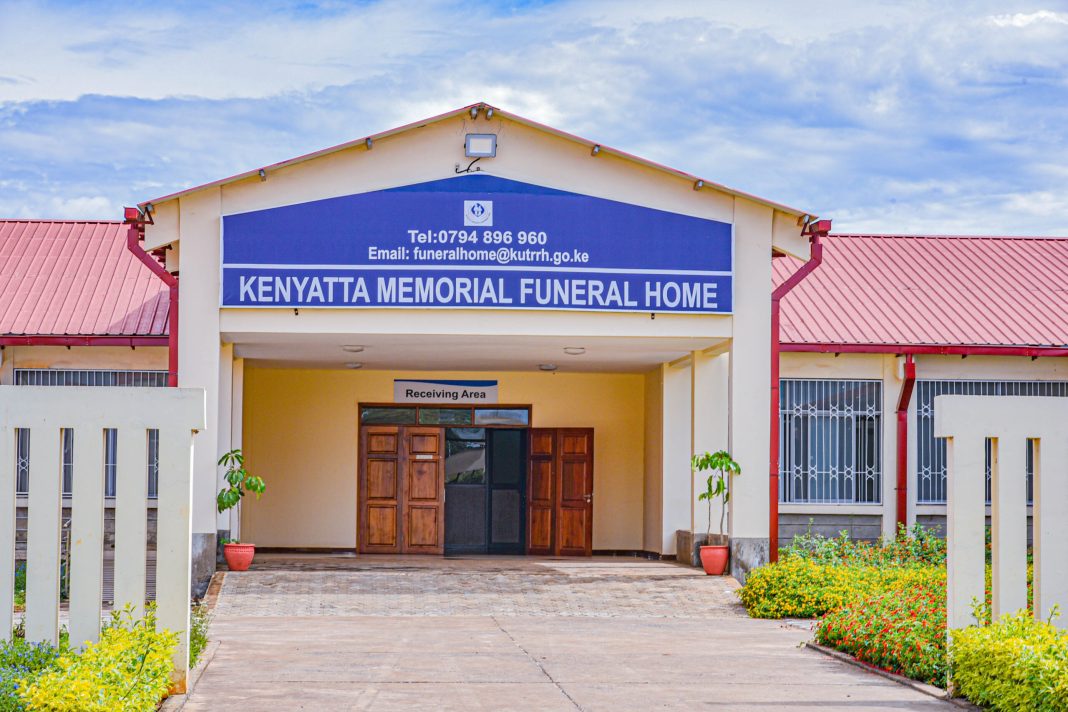
Kenyatta National Hospital (KNH) has issued a seven-day ultimatum to members of the public to collect 480 unclaimed bodies currently lying at its mortuary, raising fresh concerns over congestion and the growing burden on public health facilities.
In a public notice dated March 23, the hospital warned that failure by families and relatives to identify and collect the bodies within the stipulated period will compel the institution to seek court approval to dispose of them.
According to KNH, the bodies have overstayed at the facility’s Farewell Home, far beyond the legally allowed duration. Out of the 480 bodies, 102 are adults—comprising 85 males and 17 females—while 378 are children, painting a grim picture of the situation facing the country’s largest referral hospital.
The hospital’s directive is anchored in the Public Health (Public Mortuaries) Rules of 1991, which stipulate that bodies should not remain in public mortuaries for more than 10 days. Beyond this period, a daily penalty of Ksh100 is charged, and if the situation persists, authorities may seek legal clearance to dispose of the remains after issuing a public notice.
KNH indicated that the move is necessary to ease pressure on its mortuary facilities, which are currently overwhelmed by the high number of unclaimed bodies. The institution urged families who may have lost loved ones or those with missing relatives to visit the facility for identification and collection.
Several factors have been cited for the rising number of unclaimed bodies, including financial constraints, high mortuary and hospital bills, abandonment, and lack of awareness among relatives. However, a 2025 High Court ruling barred hospitals from detaining bodies over unpaid medical bills, a practice that had previously contributed significantly to the crisis.
Recent guidelines also require hospitals to ensure proper documentation of bodies, including DNA sampling and fingerprint records, to aid future identification efforts. Each body must also be preserved in an individual body bag to maintain dignity and traceability.
As the deadline approaches, KNH’s notice serves as a stark reminder of the challenges facing Kenya’s public health system, particularly in managing mortuary services amid economic hardships and social realities affecting many families.
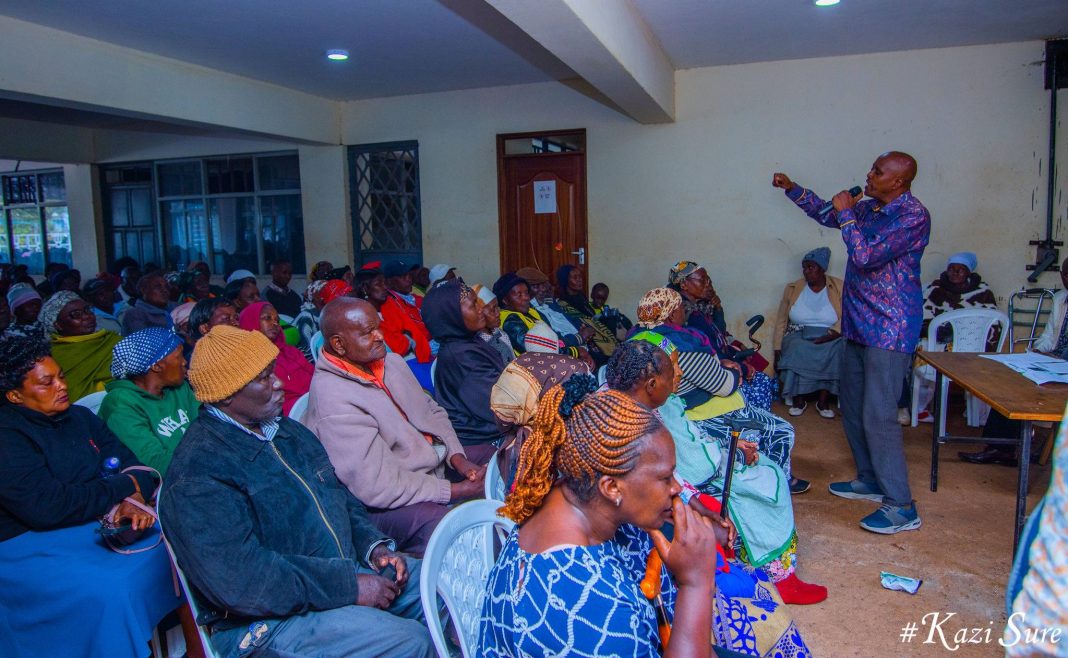

 has issued a seven-day ultimatum to members of the public to collect 480 unclaimed bodies currently lying at its mortuary, raising fresh concerns over congestion and the growing burden on public health facilities.)