





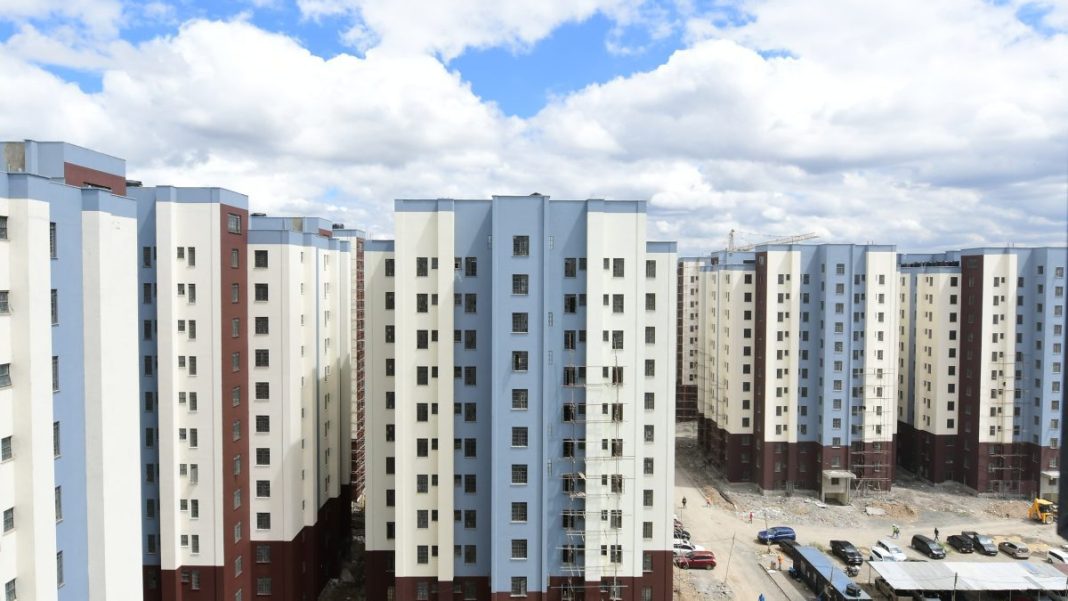
Parliament is pushing for the Controller of Budget (CoB) to take full authority over the Ksh63 billion Housing Levy, raising concerns that the current oversight framework exposes Kenya’s affordable housing funds to misuse.
The Constitution Implementation Oversight Committee (CIOC) highlighted legal loopholes, limited sanctions, and multiple unauthorised accounts that could undermine the Affordable Housing Programme, which aims to deliver homes to low and middle-income earners.
CoB Margaret Nyakang’o told MPs that existing laws prevent her from independently supervising the levy, weakening accountability. The committee now recommends amending the Public Finance Management Act to place all special funds under the CoB’s oversight, with integrated payment tracking via the Central Bank of Kenya.
Housing and Urban Development Principal Secretary Charles Hinga revealed the government collects Ksh5–6 billion monthly from the levy, yet housing delivery remains behind schedule. MPs also propose giving the CoB enforcement powers, the ability to report on economic developments, and sanctions for breaches of public finance regulations.
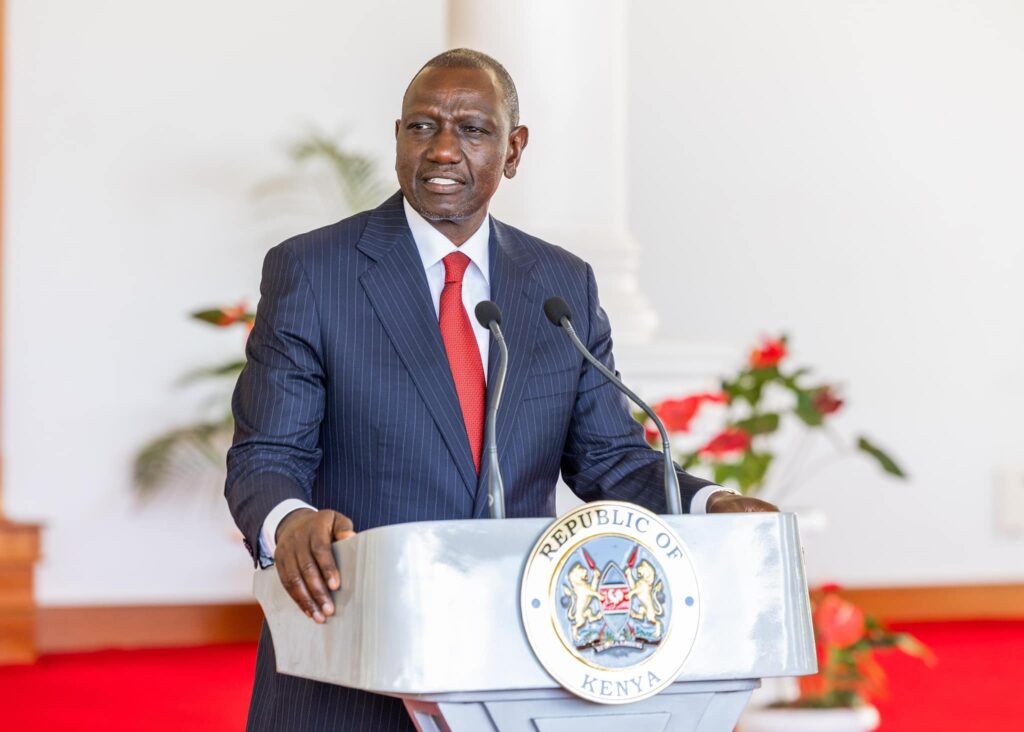
President William Ruto, through the Affordable Housing Programme, has pledged to construct 200,000 homes annually and create over half a million jobs next year. The initiative has already delivered 230,000 homes and employs architects, engineers, masons, carpenters, plumbers, and thousands of small and medium enterprises across the housing value chain.
Ruto dismissed critics who once called the project unrealistic, saying the programme has demonstrated Kenya’s ability to deliver large-scale housing while creating jobs and boosting the economy.

 to take full authority over the Ksh63 billion Housing Levy, raising concerns that the current oversight framework exposes Kenya’s affordable housing funds to misuse.)