





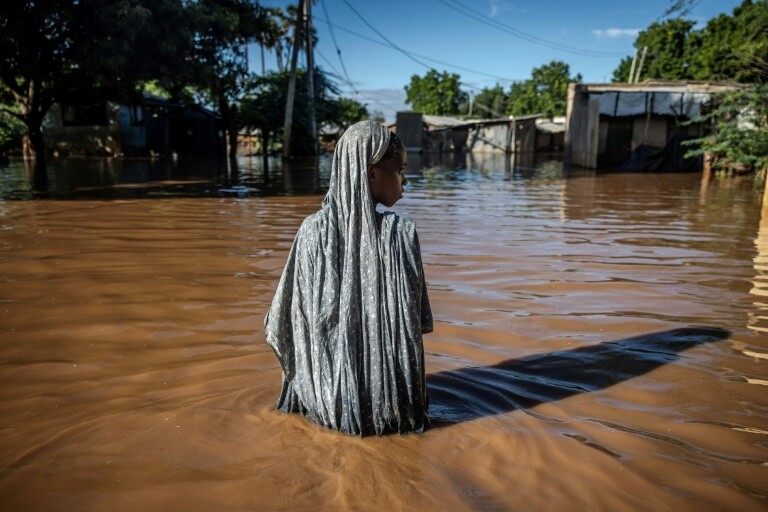
The World Meteorological Organization (WMO) has warned that the warming El Nino weather phenomenon could return later this year as the current weak La Nina conditions gradually fade.
In its latest climate update, the UN agency said La Nina — which cools sea surface temperatures in the central and eastern equatorial Pacific Ocean — is expected to give way to neutral conditions in the coming months. From there, the climate pattern could shift to El Nino before the end of 2026.
According to the WMO, there is a 60 per cent chance of neutral conditions between March and May, a 30 per cent probability of La Nina persisting, and only a 10 per cent likelihood of El Nino during that period. The probability of neutral conditions rises to 70 per cent between April and June.
However, projections for May to July show the likelihood of El Nino increasing to 40 per cent, while neutral conditions drop to 60 per cent.
WMO Secretary-General Celeste Saulo said the organisation would closely monitor the evolving conditions to guide governments and key sectors in planning ahead.
“The most recent El Nino, in 2023–24, was one of the five strongest on record and played a role in the record global temperatures observed in 2024,” she said.
El Nino contributed to making 2023 the second-hottest year ever recorded and 2024 the hottest on record globally, underscoring its far-reaching impact on temperatures, rainfall patterns and extreme weather events.
The WMO emphasised that natural climate events such as El Nino and La Nina are now occurring against a backdrop of human-induced climate change, which is driving long-term global warming and intensifying extreme weather.
The National Oceanic and Atmospheric Administration (NOAA) in the United States also estimates a 50 to 60 per cent chance of El Nino developing between July and September and beyond.
Seasonal forecasts are critical for climate-sensitive sectors including agriculture, health, energy and water management. Saulo noted that early warnings help countries reduce economic losses and support disaster preparedness efforts.
The WMO’s latest Global Seasonal Climate update further indicates a widespread signal for above-average land surface temperatures across the globe between March and May.
While rainfall predictions in the equatorial Pacific still show lingering La Nina-like patterns, forecasts in other regions remain mixed.
For countries such as Kenya, which are highly vulnerable to droughts and floods, close monitoring of these global climate patterns remains crucial in planning for food security, water resources and disaster risk management.


 has warned that the warming El Nino weather phenomenon could return later this year as the current weak La Nina conditions gradually fade.)