





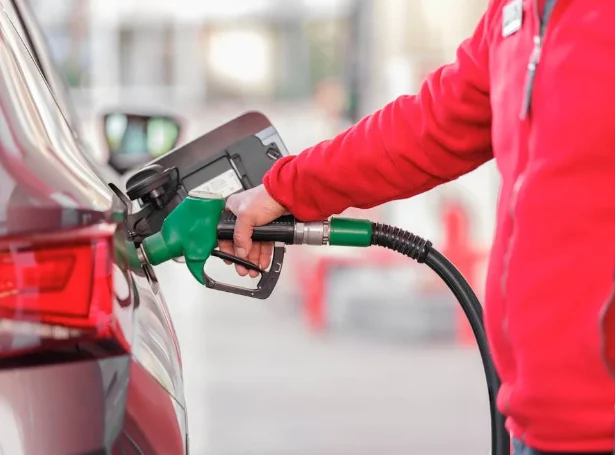
The Energy and Petroleum Regulatory Authority (EPRA) has flagged 23 petrol stations across the country for selling adulterated fuel, despite an ongoing nationwide crackdown aimed at protecting consumers and maintaining fuel quality standards.
In its Biannual Statistics Report for 2025–2026, EPRA revealed that the majority of fuel outlets complied with regulatory requirements, but a small number of dealers were found to be engaging in illegal practices. The regulator conducted 10,598 fuel sample tests from 2,305 petrol stations across the country, with 99 per cent meeting the required standards.
However, 23 stations were found to be non-compliant, prompting enforcement action and penalties in line with existing laws. The affected outlets are spread across several counties, including Nakuru, Uasin Gishu, Kisumu, Machakos, Makueni, Bungoma, Vihiga, Nyandarua, Kwale, Kilifi, Meru and Mombasa.
EPRA noted that fuel adulteration remains a concern in the petroleum sector, with some operators attempting to increase profits by mixing fuel with kerosene or diverting export-bound products into the local market. Such practices not only compromise fuel quality but also pose risks to vehicle engines and reduce efficiency for consumers.
To curb the vice, the authority continues to implement fuel marking technology, where petroleum products are infused with chemical markers that help detect tampering or diversion. This system allows regulators to trace fuel movement and identify irregularities in supply chains.
In addition, EPRA has deployed mobile laboratories equipped with advanced X-ray fluorescence analysers, enabling on-the-spot testing of fuel at retail stations. The portable devices can deliver results in under five minutes, making it harder for rogue dealers to evade detection.
The report also highlighted increased activity in the petroleum sector, with Kenya importing over 5.6 million cubic metres of fuel during the review period. Of this, nearly half was allocated for local consumption.
Domestic fuel demand rose by 8.38 per cent to more than 3.1 million cubic metres, driven largely by increased transport activity and higher diesel consumption, particularly during peak travel seasons.
Meanwhile, EPRA issued close to 9,500 licences between July and December 2025, covering various operations such as fuel retail, LPG handling, transportation and storage.
The regulator has reiterated its commitment to enforcing compliance and safeguarding consumers, warning that strict action will continue to be taken against operators found violating fuel quality standards.


 has flagged 23 petrol stations across the country for selling adulterated fuel, despite an ongoing nationwide crackdown aimed at protecting consumers and maintaining fuel quality standards.)