




County governments have signed a major health sector agreement with the national government under a Ksh27.9 billion programme aimed at strengthening primary healthcare services across the country.
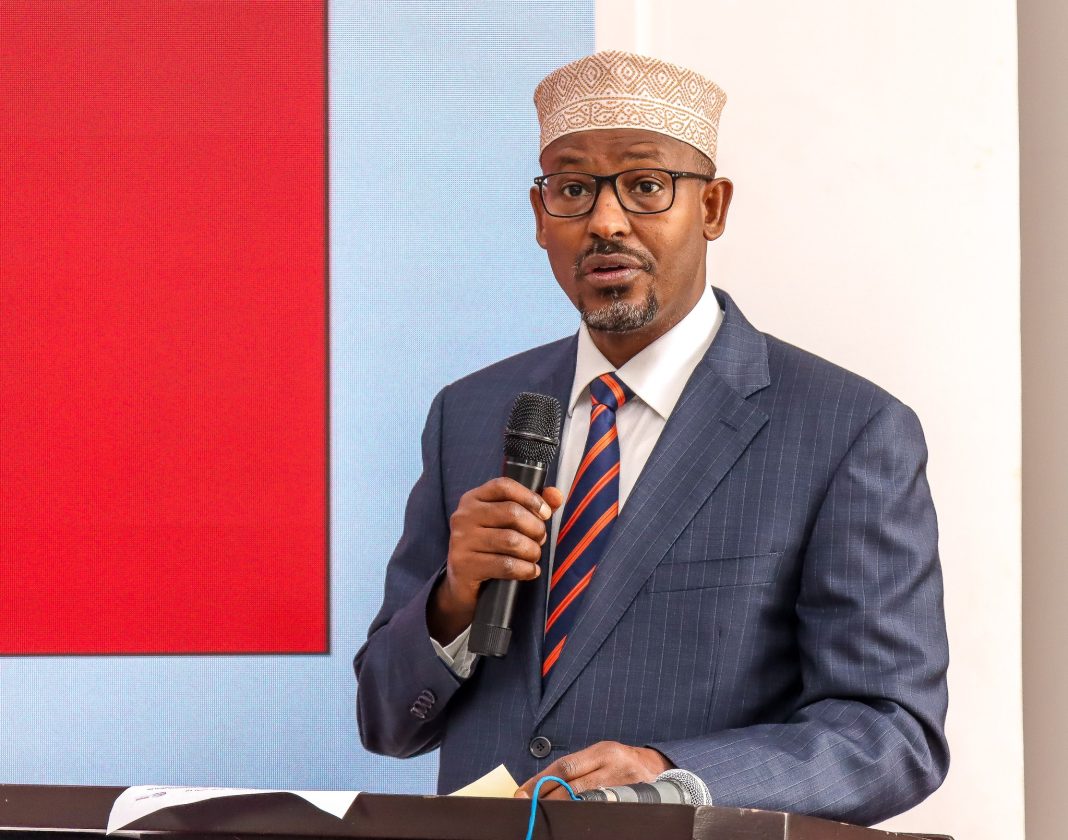
The Intergovernmental Participatory Agreements (IPAs) were signed on Friday in a ceremony presided over by Health Cabinet Secretary Aden Duale, marking the official rollout of the World Bank-funded Building Resilient and Responsive Health Systems (BREHS) Project.
The initiative, valued at USD 215 million (approximately Ksh27.9 billion), will be implemented over a five-year period in all 47 counties and is expected to significantly strengthen healthcare delivery at the grassroots level.
According to the Ministry of Health, the programme will focus primarily on strengthening primary healthcare facilities, particularly Level 1, Level 2 and Level 3 facilities, which serve as the first point of contact for many Kenyans seeking medical services.
Officials say the project will help expand access to essential medicines, health technologies and other critical medical supplies needed to improve service delivery across health facilities in the counties.
The programme will also invest heavily in strengthening community health systems by supporting community health workers and improving the coordination of services at the local level.
In addition, the initiative aims to institutionalise quality improvement and performance monitoring within healthcare facilities to ensure better service delivery and accountability in the health sector.
The programme will also target ten counties with high maternal and neonatal mortality rates. These include Narok County, Garissa County, Turkana County, Homa Bay County, Kwale County, Wajir County, West Pokot County, Mandera County, Tana River County and Kilifi County.
Health authorities say the targeted support is aimed at improving maternal, newborn and child health outcomes in these regions where the burden of preventable deaths remains high.
Under the programme, additional support will also be directed to counties hosting refugees, particularly Garissa County and Turkana County. The intervention will focus on strengthening community health systems, improving referral systems and expanding healthcare workforce support.
Infrastructure improvements will also be undertaken to ensure health facilities are better equipped to respond to climate-related challenges that often disrupt service delivery.
Officials noted that the signing of the agreements reflects a renewed commitment between the national government and county governments to work together in strengthening Kenya’s health sector.
The collaboration is expected to improve access to quality healthcare services for millions of Kenyans while advancing the country’s efforts toward achieving Universal Health Coverage.
Health stakeholders say the programme will play a crucial role in building a more resilient health system capable of responding effectively to future health challenges.