






Israeli Ambassador Gideon Behar has reaffirmed his country’s commitment to supporting Kenyan farmers through technology transfer and climate-smart solutions aimed at boosting productivity and food security. Speaking at a training facility in Nakuru, set up in collaboration with Engineers Without Borders-Israel (EWB-I) and the County Government, Behar highlighted innovations such as Artificial Intelligence, IoT, and smart irrigation systems for modern farming.
The facility trains farmers, youth, and women groups to produce high-protein animal feeds using Black Soldier Fly larvae (BSF), duckweed, Azolla, and Spirulina locally available alternatives that reduce feed costs and improve livestock profitability.
Nakuru County Agriculture CECM Leonard Bor explained that protein accounts for up to 70% of feed costs. The initiative aims to increase household incomes, promote sustainable soil management, and integrate Spirulina into school feeding programs to combat malnutrition.
EWB-I’s Michal Dolev Hashimhony stressed that BSF farming and the use of frass as organic fertilizer provide environmentally friendly solutions while reducing waste and greenhouse gas emissions. Duckweed and Azolla, fast-growing aquatic plants rich in protein and essential nutrients, were also highlighted as cost-effective feed alternatives suitable for poultry, fish, pigs, and cattle.
The partnership is expected to empower smallholder farmers, create local employment, and position Kenya as an agribusiness hub in Africa, supporting resilience against climate change and improving sustainable food production from farm to market.
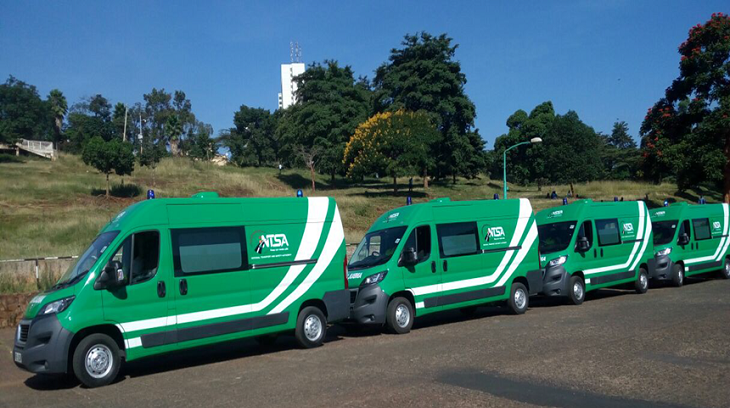

 and the County Government, Behar highlighted innovations such as Artificial Intelligence, IoT, and smart irrigation systems for modern farming.)
Hey, you used to write fantastic, but the last few posts have been kinda boring?K I miss your great writings. Past several posts are just a little bit out of track! come on!
online casino usa paypal
References:
glimpsonworld.com
paypal casino usa
References:
https://justhired.co.in
Some promos come with 50x wagering, and the minimum deposit amounts for higher-value rewards are steep.
It’s not trying to dazzle you with inflated percentages – it’s trying to
create habits. However, the promo strategy plays to behaviour rather than hype.
Lucky7even subtly pushes you into exploring different styles of play.
If chasing big wins is your thing, DivaSpin delivers one of
the strongest jackpot lineups on the market. More platforms are offering
same-day cashouts, and LuckyVibe might fall behind
if it doesn’t step up here.
This means you can’t withdraw unless you clear
the bonus of any wagering requirements, which is why it’s usually a smart way to skip
the bonus if the WRs are over 40x. These can include personal account managers, VIP bonuses,
higher limits, 24/7 support via WhatsApp or Telegram, birthday bonuses,
higher cashback, etc. If, say, a casino site
offers 20% cashback up to $300, you don’t want to lose more than $1,500 because then you’re
just losing without getting anything in return for it. These usually come with lower
WR than the welcome bonus and more lenient game restrictions, but you should definitely read the T&Cs before proceeding.
There are north of 7,000 games by more than 60 providers, so I guarantee you’ll find a game you like.
Okay, enough about the bonuses, because I’ll need an entire page just about
that. E-wallets such as PayPal and Neteller usually offer the fastest withdrawal
times. Compete in pokies or table tournaments with real cash
prizes. The Return to Player rate (RTP) tells you how much a game pays
back over time. Security, fraud protection, and player verification are standard features to ensure safe banking every time.
References:
https://blackcoin.co/dress-standards-in-online-gambling/
Whether you’re seeking the luxury suites of
Crown Towers, the vibrancy of Crown Metropol or the convenience of Crown Promenade, our three distinct
hotels are sure to cater for your needs.
And dive into world-class gaming and entertainment experiences.
With a wide array of remarkable restaurants, and bars to discover, your every
culinary craving will be catered to.
Take the guesswork out of planning your next stay and book one of enticing accommodation packages.
Located in Perth, less than 1 km from Perth Concert
Hall, Hyde Perth provides accommodation with an outdoor swimming pool, private parking, a fitness centre and a
terrace. Located in Perth and with Perth Concert Hall reachable within 6.1 km, Civic Hotel provides a restaurant, non-smoking rooms,
free WiFi and a bar. Ideally set in the centre of Perth,
The Adnate Perth – Art Series features air-conditioned
rooms, an outdoor swimming pool, free WiFi and a fitness centre.
Featuring free WiFi and modern amenities, Aloft Perth offers modern accommodation in Perth.
Situated on the banks of the Swan River overlooking the Perth city skyline,
Crown Metropol Perth offers accommodation which is a 15-minute drive from Perth’s International and Domestic Airports.
References:
https://blackcoin.co/imperial-poker/
Denken Sie immer daran, verantwortungsbewusst zu spielen und bei Bedarf Hilfe zu suchen. Mit diesen Programmen und staatlichen Programmen wie
GamStop und OASIS tragen deutsche Online Casinos
zu einem sichereren und gesünderen Spielumfeld bei.
Mit dem Anstieg der Beliebtheit von Online -Glücksspielen ist
es für die Spieler von entscheidender Bedeutung, sich der potenziellen Risiken bewusst
zu sein und Zugriff auf die Tools zu haben, mit denen ihre Spielgewohnheiten verwaltet werden. Durch
die Auswahl eines neuen Online Casinos Deutschland können Sie eine Vielzahl von Vorteilen bieten, die ein etablierter Plattformen möglicherweise nicht immer bietet.
Mit zunehmendem Wettbewerb können Spieler noch
bessere Belohnungen, mehr Spielvariante und ein insgesamt verbessertes
Glücksspielerlebnis erwarten.Wenn Sie einige Wenn Sie sich dafür entscheiden,
in einem nicht lizenzierten Casino zu spielen, können Sie die folgenden Risiken ausgesetzt sein. Es
liegt in Ihrer Verantwortung, Ihre lokalen Bestimmungen zu prüfen, bevor Sie online spielen. Ein deutsches Online Casino – technisch korrekt als
Online Spielothek bezeichnet – ist eine digitale Plattform, die
Glücksspiele wie Virtuelle Automatenspiele (Slots) über das Internet anbietet.
Eine separate staatliche Lizenz ist für das Anbieten von klassischen Casinospielen (Tischspiele) erforderlich.
References:
https://online-spielhallen.de/wildz-casino-promo-code-ihr-umfassender-leitfaden/