






Kenya is intensifying its push for large-scale, irrigation-led agriculture to enhance productivity, reduce dependency on food imports, and build resilience in the country’s Arid and Semi-Arid Lands (ASALs). Agriculture and Livestock CS Mutahi Kagwe warned that small-scale, rainfed farming is insufficient for a growing population amid unpredictable climate conditions.
During a tour of the multi-billion Galana-Kulalu Food Security Project in Kilifi and Tana River, Kagwe underscored that the 1.8 million-acre Agricultural Development Corporation (ADC) land is reserved strictly for mechanised, irrigated farming. He stressed that subdivision would undermine mechanisation and the project’s objectives.
Kenya currently imports about 92% of wheat, over 80% of rice, and significant quantities of sugar, making local production stability critical. Kagwe urged serious local and international investors to participate under the Land Commercialisation Initiative (LCI), assuring transparency and fairness in land allocation.
The initiative is expected to create strong backward and forward linkages across the economy, driving demand for fertilisers, irrigation equipment, transport services, and agro-processing. Kagwe highlighted government support to reduce production costs, including affordable irrigation pipes, electricity, and water systems, and encouraged surrounding communities to engage in housing, retail, and supply chains.
He commended investors integrating community projects such as schools and health facilities. Notably, Nyumba Foundation has invested over Ksh6.4 billion across 300,000 acres, while Selu Group focuses on seed maize production, showcasing a model for mechanised, technology-driven farming in ASAL regions. Kagwe also commissioned an 800-acre earth dam at Nyumba Group, capable of storing six billion litres for year-round irrigation, reinforcing Kenya’s vision for modern, sustainable agriculture.
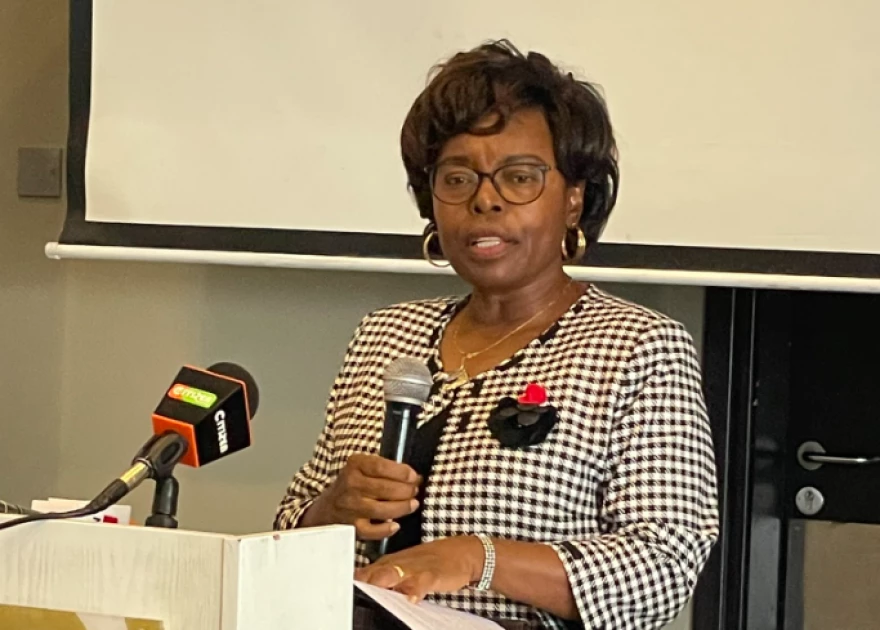
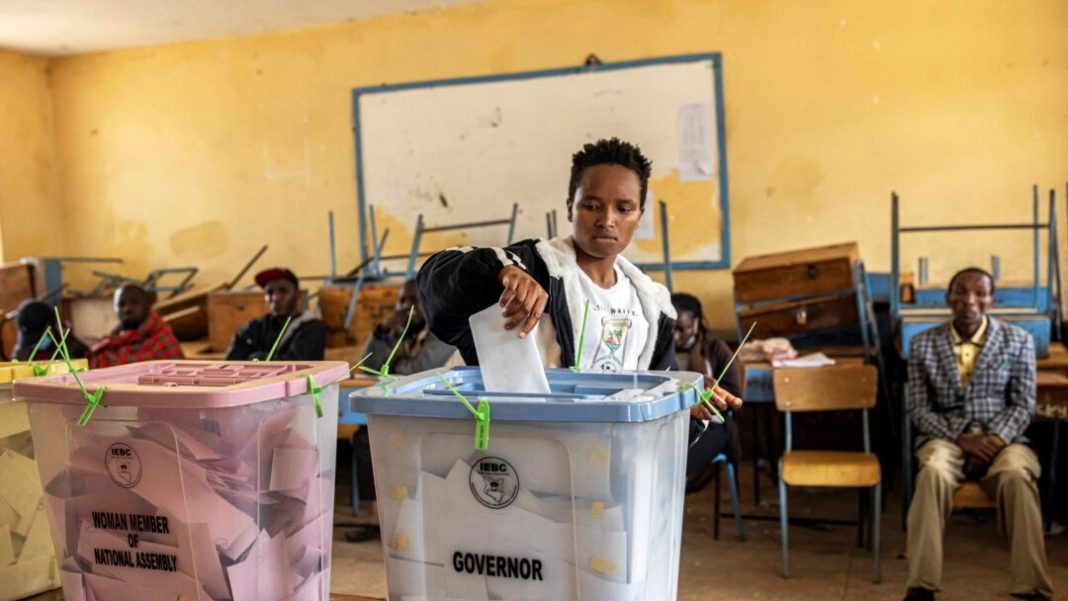
. Agriculture and Livestock CS Mutahi Kagwe warned that small-scale, rainfed farming is insufficient for a growing population amid unpredictable climate conditions.)
Greetings from Idaho! I’m bored at work so I decided to browse your website on my iphone during lunch break. I enjoy the information you present here and can’t wait to take a look when I get home. I’m amazed at how fast your blog loaded on my cell phone .. I’m not even using WIFI, just 3G .. Anyhow, amazing blog!
You should take part in a contest for one of the best blogs on the web. I will recommend this site!
[7982]yyy777 Casino Philippines: Your Top Destination for Slots. Quick yyy777 Login & Register—Download the App for the Ultimate Gambling Experience! Join yyy777 Casino Philippines! Fast yyy777 login & register. Play the best yyy777 slot games and yyy777 download the app for a premium mobile gambling experience. visit: yyy777
This web site is really a walk-through for all of the info you wanted about this and didn’t know who to ask. Glimpse here, and you’ll definitely discover it.
You have mentioned very interesting points! ps nice internet site.
I really like your writing style, good information, regards for posting :D. “I hate mankind, for I think myself one of the best of them, and I know how bad I am.” by Joseph Baretti.