





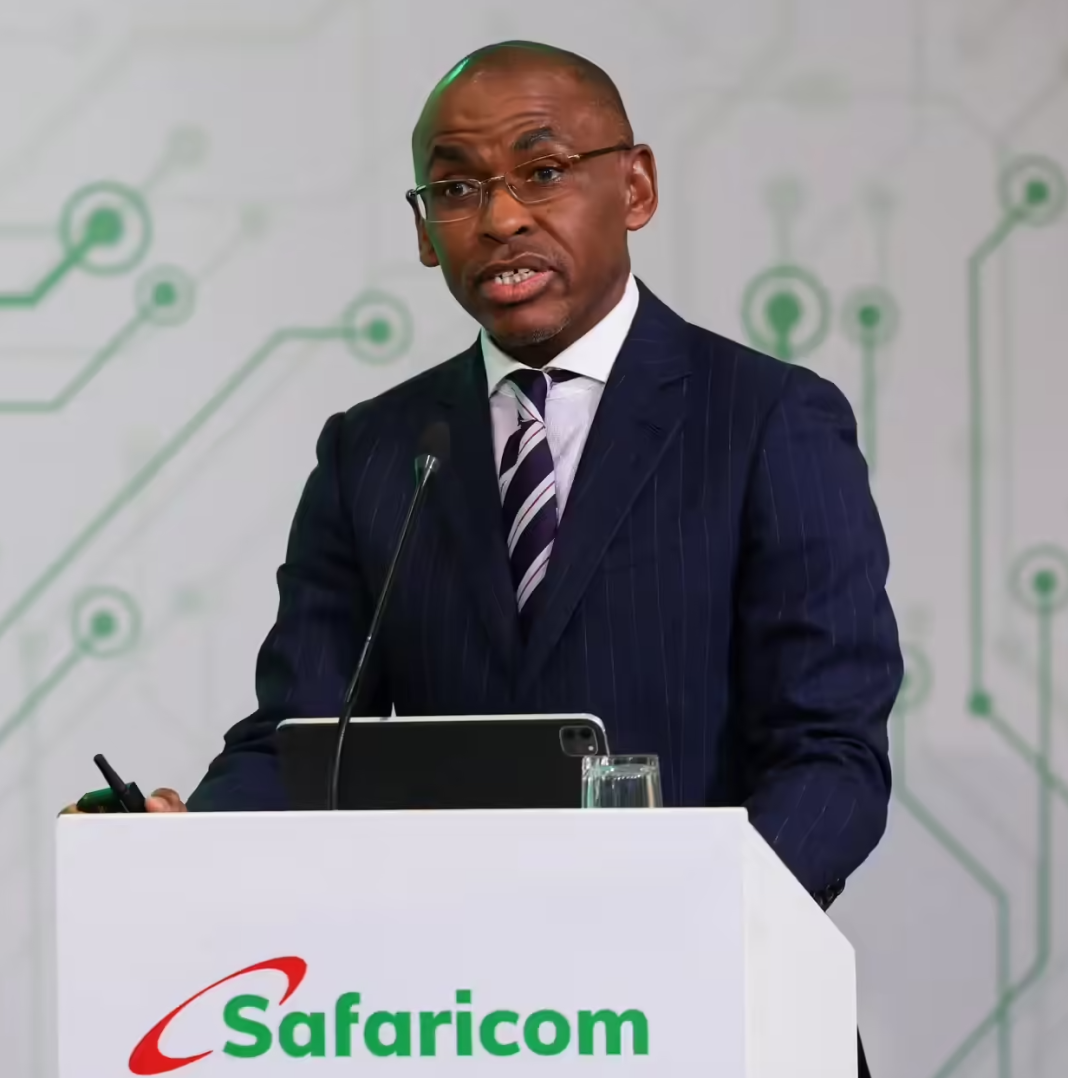
Members of Parliament will hold public hearings in January 2026 on the government’s proposal to sell 15 per cent of its Safaricom stake to South Africa’s Vodacom through Vodafone Kenya, amid growing concerns over valuation and transparency.
National Assembly Speaker Moses Wetang’ula directed the Finance and National Planning Committee and the Select Committee on Public Debt and Privatisation to begin collecting public views on January 18. The directive follows the tabling of Sessional Paper No. 3 by the National Treasury.
Vodafone Kenya currently owns 40 per cent of Safaricom. The proposed transaction would raise its stake to 55 per cent, with the sale of 6 billion shares expected to generate about Sh240 billion. The government would retain a 20 per cent shareholding.
Wetang’ula said the extended public participation window was necessary because Safaricom is a government-linked company listed on the Nairobi Securities Exchange. He noted that the hearings will allow Kenyans and stakeholders to scrutinise the proposal thoroughly.
Kiharu MP Ndindi Nyoro has criticised the plan, arguing that basing the sale on the current market price risks undervaluing Safaricom and denying Kenyans fair value. He accused the government of choosing shortcuts instead of focusing on long-term economic growth.
Treasury Cabinet Secretary John Mbadi defended the sale, saying it will raise $1.577 billion in dollar inflows, with Vodacom set to make an upfront Sh40.2 billion payment to offset future dividends from the government’s remaining 20 per cent stake.
According to the Sessional Paper, Safaricom’s six-month volume-weighted average price stood at Sh27.50, valuing the company at Sh1.158 trillion. The proposed sale price of Sh34 per share represents a 17 per cent premium. Treasury says the proceeds will finance key infrastructure projects in roads, water, energy, and airports.
The government will maintain two board seats to safeguard national interests, while Vodacom has committed to no job redundancies for three years and to keeping the chairperson and independent directors Kenyan.
The paper argues that the partial divestiture will strengthen Kenya’s fiscal position, reduce debt, deepen capital markets, and boost investor confidence.

online casino paypal
References:
https://www.vytega.com/employer/australian-online-casinos-that-accept-paypal-in-2025/
online casino paypal
References:
http://www.jobexpertsindia.com
However, they may not always qualify for welcome casino packages.
The fees are generally low, transactions are fast, and many e-wallets offer loyalty rewards.
They are known for super-fast deposits and withdrawals, low fees,
and high privacy. It offers fast transfers, low fees, and can be linked to a prepaid card for extra convenience.
Pick your poison with lists ranging from classic table games to modern live dealer favourites and,
of course, unique pokie titles. Bonuses don’t last forever and this catches a lot of players out, meaning their
hard won bonus winnings get lost. While pokies often contribute
100%, other games may contribute much less. Reload bonuses
are top-ups for additional deposits that are usually less awe-inspiring than the big welcome bonuses that
incentivise you to sign up. No deposit bonuses are scarcely found, as they are completely free
to claim.
Furthermore, most sites have a significant number of jackpot slots and progressive jackpots for you to enjoy.
You’ll find various classic and video slots, including those with popular features
like bonus buys, Megaways, cluster pays, free spins,
and more. One example is the 7Bit Casino Bonus Code,
which gives you free spins and a deposit match.
There will always be a maximum limit to how big a bonus
you can get, usually varying from a couple of hundred to
a thousand dollars. SIA is also known for its comprehensive help center and live support, as well
as its fast banking processing times. The SIA casino is approaching
its four-year anniversary since its launch in 2022 and shows no signs of slowing down.
References:
https://blackcoin.co/allslots-casino-poker-no-deposit-bonus/
While it is generally safe to play at offshore casino sites,
players should choose licensed casinos for safety.
Australian players can access international online gambling sites, but they do not benefit from local consumer
protection laws. Additionally, Australian players do
not need to pay tax on online casino winnings unless they are professional gamblers.
Skrill and Neteller are particularly popular among
online casino players for their instant transactions.
Choosing secure payment methods at online casinos is important for safety and efficiency.
Visa and Mastercard are popular payment methods for
their convenience and security in online casinos.
Just note that not all casinos support every e-wallet, so
availability may vary. These are the best Australian mobile casinos.
This lets you play your favorite games anytime and anywhere.
For high rollers, loyalty programs and VIP bonuses are key.
These rewards are often a percentage of their deposit as bonus cash.
These offers may require a bonus code to claim.
References:
https://blackcoin.co/about-ripper-casino/
Im Gegensatz zu vielen kleineren Buchten ermöglicht der Beau
Vallon Beach das Ausüben verschiedener Wassersportarten.
Gerne bieten wir Ihnen auch eine Auslandskrankenversicherung oder auch Komplettpakete an. Weiterhin haben Sie natürlich jederzeit das Recht von einer
Buchungsanfrage zurückzutreten, falls die angebotenen Hotels/Gästehäuser/Yachten etc.
nicht verfügbar sind. Das liegt daran, dass die Unterkünfte vor Ort auch eigenständig Zwischenbuchungen annehmen können,
und sich auch die Flugpreise und Flugplatzverfügbarkeiten ständig ändern können. Da
wir Angebote individuell und auf Basis von Echtzeit-Preisen erstellen, können sich diese je nach Verfügbarkeit oder
Nachfrage schnell ändern. Entdecken Sie, was SeyVillas
alles zu bieten hat und machen Sie sich bereit für die Reise Ihres Lebens!
Tauchen (hoteleigene Tauchbasis), Wassersportzentrum.
Das Berjaya Beau Vallon Bay Resort & Casino bietet einen Empfangsbereich, der eine Réception, Lobby und Internetecke (gegen Gebühr) sowie kostenloses WLAN umfasst.
In der Nähe gibt es zahlreiche Restaurants und Unterhaltungsangebote zu
Fuss erreichbar. Direkt am weitläufigen Sandstrand von Beau Vallon, umgeben von einem prächtigen Garten, befindet sich das Hotel.
Nun schwanken wir zwischen Chalet und superiorzimmer.
References:
https://online-spielhallen.de/total-casino-mobile-app-ihre-spielothek-fur-unterwegs/