





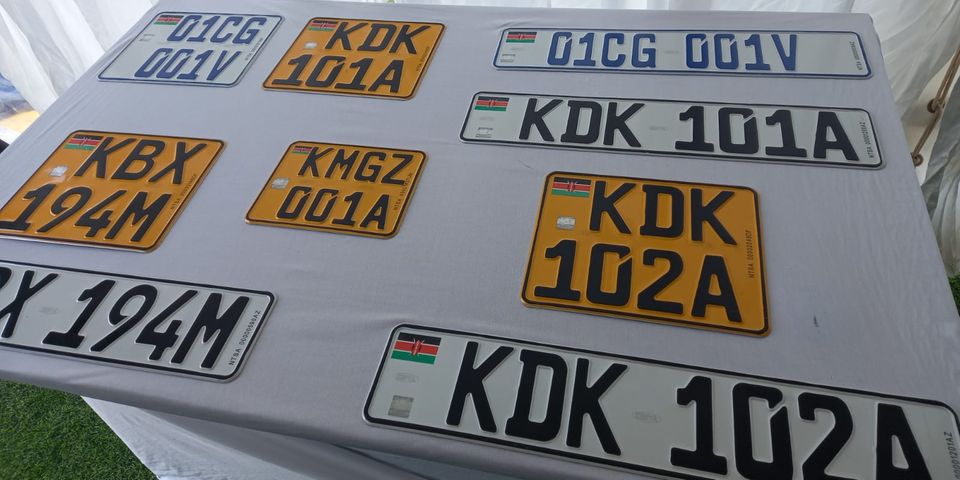
The Motorists Association of Kenya (MAK) has put the National Transport and Safety Authority (NTSA) on the spot over a growing shortage of number plates that has now surpassed 70,000 units.
In a statement issued Tuesday, the association questioned how motorists continue to pay number plate fees upfront during mandatory vehicle registration, yet the authority faces production delays blamed on lack of funding.
According to MAK, the crisis stems from delayed disbursements from the National Treasury, leaving suppliers unpaid and unable to deliver raw materials for plate production. The group argues that the explanation does not add up, especially considering vehicle importers also pay hefty excise duties at the point of importation.
“If citizens pay upfront for plates, and the government collects heavy excise duty, how can there be no funds to produce number plates?” the association posed.
The backlog reportedly includes about 51,000 motorcycles, 7,000 new vehicles and 750 tuk-tuks. Production challenges have particularly affected the KDV-W, X, Y and Z series plates.
The ripple effects are already being felt across the automotive sector. Without physical number plates, banks are unable to finalise asset financing transfers, leaving vehicles stuck in showrooms as loan processing stalls.
Thousands of imported vehicles are also said to be stranded at the Port of Mombasa, unable to be released to dealers and buyers, further compounding financial losses within the supply chain.
In the meantime, dealers have resorted to using Kenya Dealer (KD) plates — temporary green registration plates used by licensed motor vehicle dealers and garages to move unregistered vehicles under strict conditions.
While NTSA maintains that applicants receive SMS notifications once plates are ready and can track progress through its service portal, MAK insists these measures do not address the root of the crisis.
The association is now demanding that NTSA and the National Treasury publicly account for the funds collected from motorists and explain why suppliers remain unpaid despite continued revenue collection.
 has put the National Transport and Safety Authority (NTSA) on the spot over a growing shortage of number plates that has now surpassed 70,000 units.)
e60v05
This platform contains a vast amount of valuable content.
You can find comprehensive posts on various subjects.
All data is organized in a clear manner.
This makes it a ideal place for those looking insights.
gladaankan.com
I was studying some of your content on this internet site and I think this website is very informative ! Keep putting up.