





The Social Health Authority (SHA) has moved to clear the air on its policy governing access to In Vitro Fertilisation (IVF) services, following public uproar after a teacher was allegedly denied treatment for failing to provide a marriage certificate.
In a statement issued through Health Cabinet Secretary Aden Duale on Wednesday, June 17, SHA clarified that a marriage certificate is not a requirement for approval of IVF services under the national health cover. The Authority further admitted that earlier communication suggesting otherwise was issued in error.
“SHA wishes to clarify that a marriage certificate is not a requirement for accessing IVF services,” the statement read, seeking to ease growing concerns over access to fertility treatment.
The controversy emerged after a teacher reported being turned away from a health facility after seeking IVF services. According to the teacher, hospital officials indicated that proof of marriage was necessary before the procedure could be approved.
“I went to the hospital and learnt that one of the conditions is that you have to show a marriage certificate,” the teacher said, sparking debate on whether marital status should influence access to reproductive healthcare.
Matters escalated when the teacher’s doctor submitted a pre-authorisation request to SHA, which was reportedly declined. The response outlined requirements that included either a marriage certificate or an affidavit, triggering backlash from stakeholders in the education sector.
Teacher unions, led by the Kenya Union of Post-Primary Education Teachers (KUPPET), strongly criticised the requirement, arguing that it was not part of the agreed medical cover negotiated with SHA.
“There is no condition that we have signed with SHA that you must have a marriage certificate or proof of marriage. SHA should not be shifting goalposts on agreed benefits,” said KUPPET Deputy Secretary General Moses Nthurima.
Following the public pressure, SHA has now distanced itself from the requirement, stating that the inclusion of the marriage certificate condition was an administrative error. The Authority directed that the affected application be resubmitted for proper review and verification under the correct procedures.
“The reference to a marriage certificate in the communication was made in error. The hospital is advised to resubmit the request through the appropriate verification and pre-authorisation process,” the statement added.
Despite the clarification, the issue has reignited debate on equitable access to reproductive healthcare services. KUPPET officials insist that fertility treatment should be based on medical need rather than marital status, arguing that contributors to the scheme deserve full access to benefits without additional social conditions.
“This is a teacher who is paying into the scheme. Access to treatment should not be restricted by marital status,” said KUPPET National Gender Secretary Juliet Kimotho.
As the matter settles, attention now shifts to how SHA will standardise its approval processes to avoid similar confusion in future and restore public confidence in the new health insurance framework.
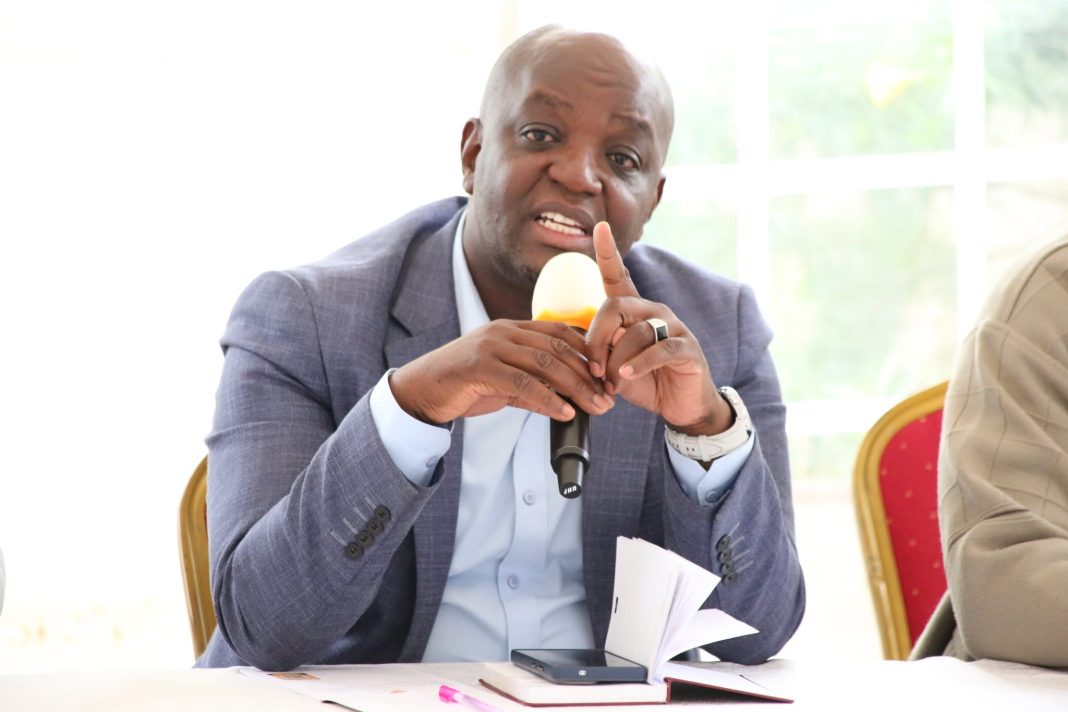

 has moved to clear the air on its policy governing access to In Vitro Fertilisation (IVF) services, following public uproar after a teacher was allegedly denied treatment for failing to provide a marriage certificate.)