






The Law Society of Kenya (LSK) has strongly opposed proposals to establish an Ebola treatment and isolation centre in Kenya, warning that such a move could expose the country to heightened public health risks amid ongoing outbreaks in parts of East and Central Africa.
In a statement released on Thursday, LSK President Charles Kanjama argued that while all Ebola patients deserve access to quality medical care, treatment facilities should be located closer to the epicentre of outbreaks to minimise the risk of cross-border transmission.
Kanjama noted that setting up a specialised Ebola facility in Kenya to host patients or exposed individuals from other countries would increase the likelihood of the virus entering the country, despite existing preventive measures.
“We equally want to see the Kenyan government take robust measures to avoid cases of Ebola from entering Kenya. That includes declining the request by the US government to set up an Ebola Treatment Centre in Kenya, where Ebola patients from other countries will be flown in,” he said.
He further emphasised that global health responses must prioritise containment at the source, arguing that isolation and treatment protocols should be implemented in regions where outbreaks are active, such as Eastern Congo or Western Uganda.
“Since all Ebola patients deserve access to the highest standard of medical care, and we owe them human solidarity even as we protect the healthy population, public health dictates require that the medical treatment facility and treatment isolation protocols be set up near the common epicentre of the infection,” Kanjama added.
The remarks come amid international reports suggesting that the United States is considering handling Ebola exposure cases outside its territory. According to foreign media reports, the U.S. government is exploring the possibility of establishing a quarantine and treatment facility in Kenya for citizens exposed to the virus in affected regions.
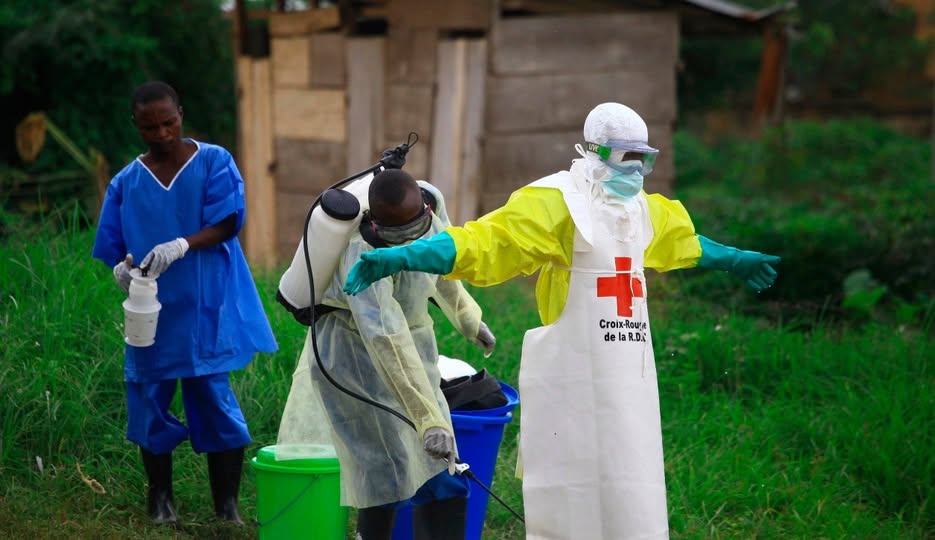
The reports indicate that the facility would be used to isolate and monitor individuals evacuated from outbreak zones in the Democratic Republic of Congo (DRC) and Uganda, where Ebola cases have recently been reported.
However, the proposal has sparked concern among legal and public health stakeholders in Kenya, with critics warning that such arrangements could strain the country’s preparedness systems and increase the risk of accidental exposure.
Despite the debate, the Kenyan government has maintained that it is committed to strengthening regional and global health security partnerships. Health Cabinet Secretary Aden Duale stated that Kenya continues to enhance its preparedness systems, including surveillance, emergency response, and coordination with international partners.
He added that discussions on global cooperation remain ongoing, though he did not confirm whether Kenya had formally agreed to host any Ebola treatment facility.
“The country continues to maintain and strengthen preparedness measures in response to the ongoing EVD outbreak in the region,” Duale said.
As discussions continue, the proposal has ignited wider debate on how countries should balance international cooperation with national public health safety in managing highly infectious disease outbreaks.
 has strongly opposed proposals to establish an Ebola treatment and isolation centre in Kenya, warning that such a move could expose the country to heightened public health risks amid ongoing outbreaks in parts of East and Central Africa.)