





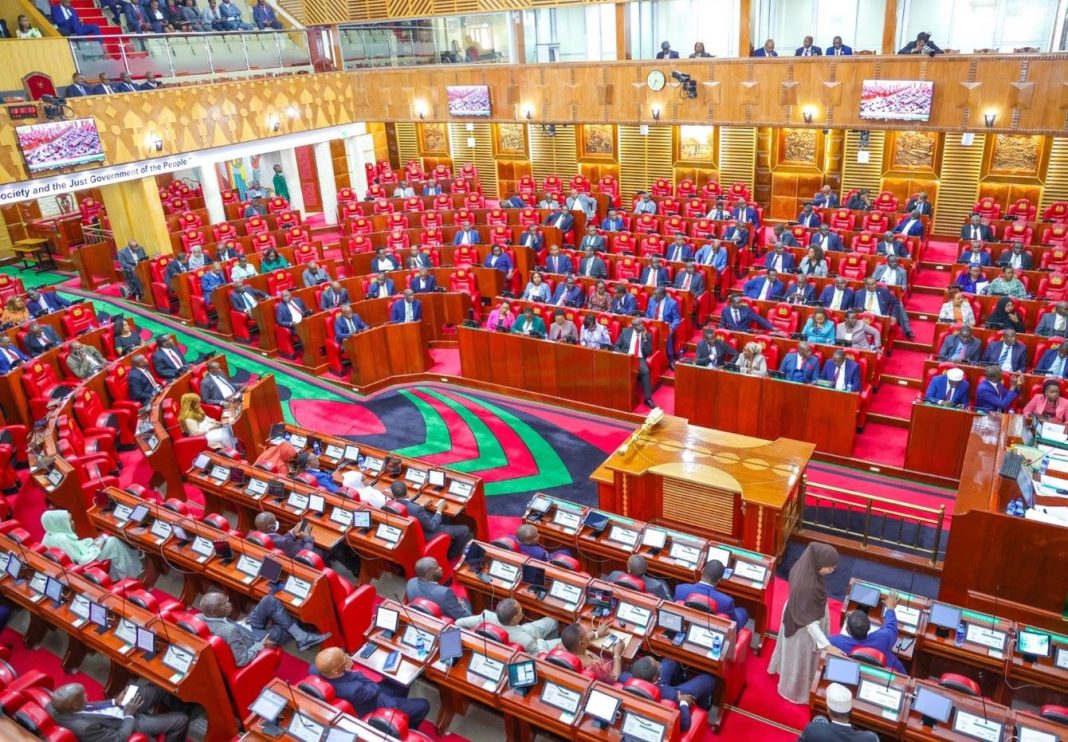
The National Assembly has passed the Finance Bill, 2026, paving the way for President William Ruto to consider the legislation for assent as the government moves to implement its revenue plans for the 2026/27 financial year.
The Bill was approved during its Third Reading after a majority of Members of Parliament voted in support of the proposed tax and revenue measures, marking the end of weeks of debate, political lobbying and public scrutiny.
A total of 122 MPs voted in favour of the Bill while 40 opposed it, highlighting divisions within the House over the government’s fiscal proposals.
Lawmakers allied to the Kenya Kwanza administration and the broad-based government coalition backed the legislation, arguing that it is necessary to support government programmes and enhance revenue collection. On the other hand, MPs associated with former Deputy President Rigathi Gachagua opposed the Bill, maintaining that some of the measures could increase pressure on ordinary Kenyans and businesses.
The vote came after Parliament adopted several amendments proposed by the National Assembly’s Finance and National Planning Committee following public participation forums conducted across the country.
A number of proposals that had generated concern among businesses, civil society groups and members of the public were either revised or dropped before the final vote, easing some of the concerns that had emerged during earlier stages of consideration.
Supporters of the Bill argued that the proposed measures are intended to strengthen tax administration, improve revenue collection and reduce the country’s dependence on borrowing to finance development programmes and government operations.
The National Treasury has maintained that the legislation seeks to strike a balance between raising revenue and protecting Kenyans from excessive taxation.
However, critics of the Bill expressed concern that some provisions could still have an impact on households and businesses already dealing with economic challenges and rising operational costs.
The debate over the Finance Bill has been one of the most closely watched parliamentary processes in recent months, with both supporters and opponents presenting differing views on its potential impact on the economy and the cost of living.
The passage of the Bill now shifts attention to the next stage of the legislative process, where it awaits presidential assent before becoming law.
Once signed, the Finance Bill, 2026 will provide the legal framework for implementing the government’s tax and revenue measures for the new financial year and supporting the execution of the national budget.