





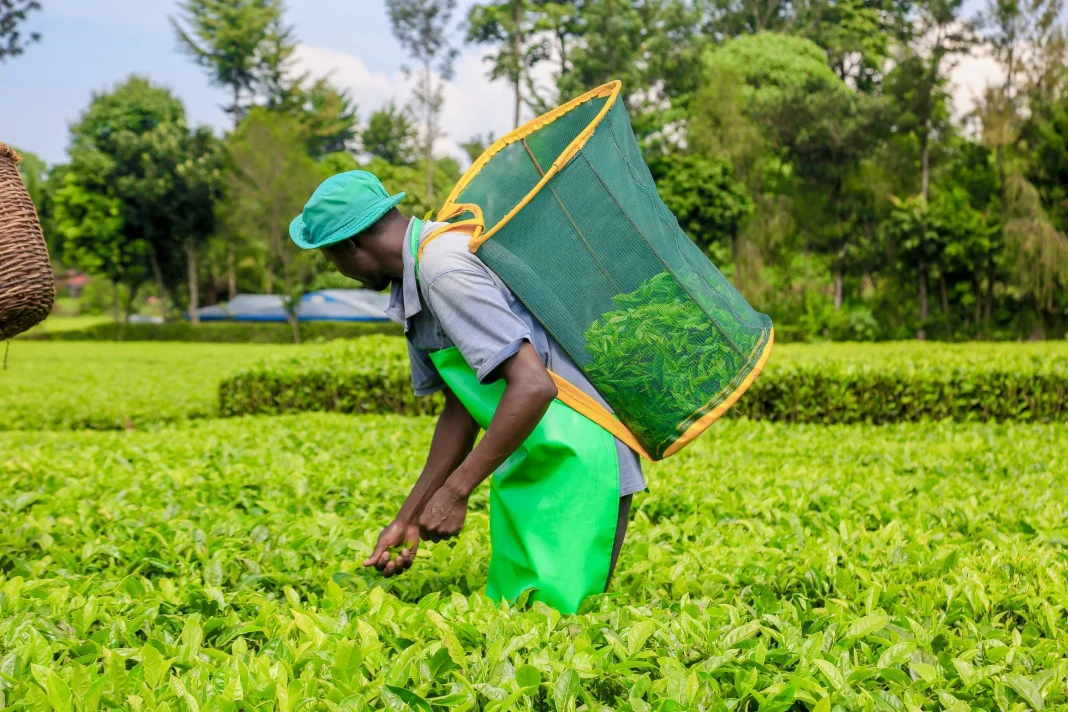
Tea farmers in Kirinyaga County have raised strong objections to a proposed levy by the Tea Board of Kenya, terming it an additional burden that could further strain already struggling growers.
Led by Ndima Tea Factory and Zone 5 chairman John Mithamo Wasusana, the farmers expressed concern that the proposed charges come at a time when many producers are already grappling with low earnings and reduced returns from their tea.
Wasusana said farmers in the Mt. Kenya region are facing significant challenges, pointing out disparities in tea absorption rates across the country. He noted that while some regions enjoy full absorption of tea produce, factories in the Mt. Kenya region are operating at significantly lower capacity, leaving farmers exposed to losses.
He questioned the rationale behind introducing additional levies when farmers are already struggling to meet basic production costs and household needs.
Farmers urged the government to listen to their concerns and reconsider the proposal, insisting that any new charges should only be introduced after proper consultation with all stakeholders in the tea sector.
Other farmers who spoke during the engagement echoed similar sentiments, saying the proposed levy would directly reduce their already limited earnings.
Some growers called on the government to open up alternative marketing channels, arguing that direct sales would help improve returns. They proposed the use of idle storage facilities in Sagana, previously used for coffee and maize, as a direct export point for tea.
According to the farmers, selling directly through Sagana instead of routing produce through Mombasa would reduce costs and improve profitability for small-scale tea growers.
“We are asking the government to allow direct sales so that farmers can earn better,” one farmer said, adding that intermediaries and additional levies were reducing their income.
Others warned that continued financial pressure could push farmers away from tea farming altogether, with some suggesting that growers may be forced to switch to alternative crops such as coffee or livestock feed production.
They called on Agriculture Cabinet Secretary Mutahi Kagwe to intervene and ensure that farmers’ voices are heard before any new policy is implemented.
The farmers maintained that without urgent reforms in the tea sector, many households in the region risk sinking deeper into poverty.
The proposed levy debate continues to spark concern among tea-growing communities, with farmers insisting that any policy changes must prioritise their welfare and sustainability.