





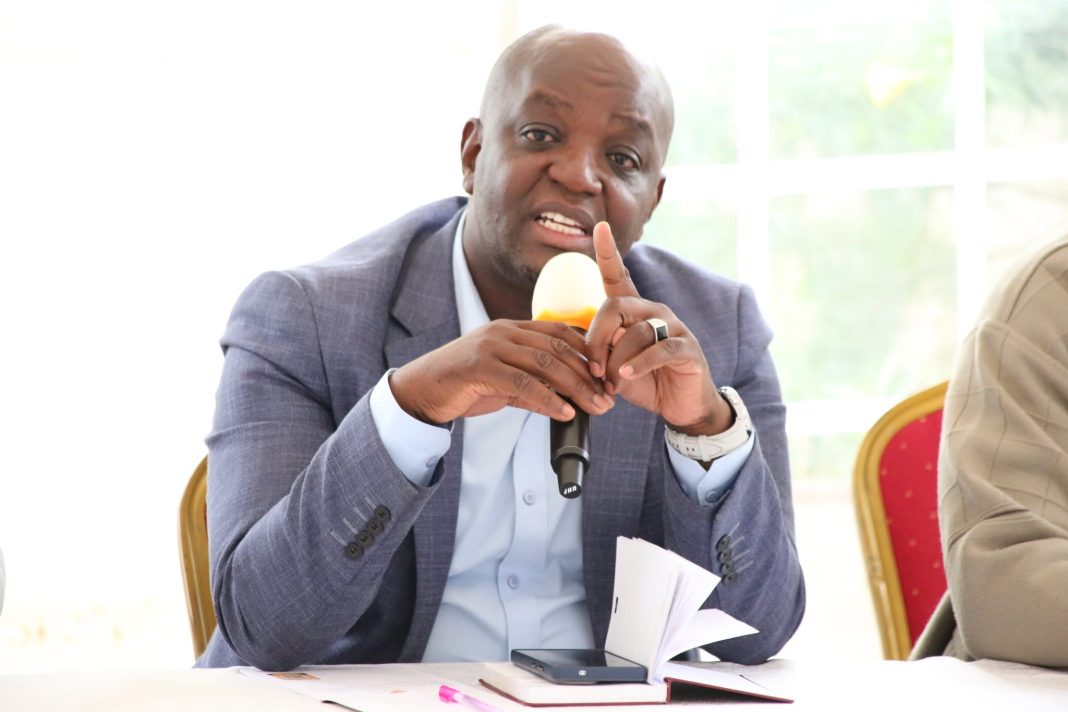
The County Assembly of Kiambu’s Budget and Appropriations Committee (BAC) has completed a two-day review of the proposed 2026/27 budget estimates, paving the way for the preparation of a final report ahead of debate and approval by the Assembly.
The exercise brought together chairpersons of various sectoral committees and officials from the County Executive, who appeared before the committee to present and defend their budget proposals.
During the sessions, Members of County Assembly (MCAs) subjected departmental allocations to detailed scrutiny, focusing on key sectors such as roads, infrastructure, education, youth empowerment and revenue generation.
Roads and infrastructure emerged as one of the most discussed areas, with MCAs calling for increased funding to support the rehabilitation and maintenance of access roads across all 60 wards. Members argued that improved road networks remain critical to economic growth, movement of goods and access to essential services.
Education and youth programmes also attracted significant attention, with legislators emphasizing the need for faster implementation of projects aimed at improving learning environments and creating opportunities for young people.
The committee also examined the county’s projected own-source revenue target of more than Ksh9.9 billion. Several MCAs questioned whether the target was realistic, noting that it exceeds the Ksh8.8 billion projection contained in the County Fiscal Strategy Paper.
Members cautioned that overly ambitious revenue projections could affect implementation of development programmes if collection targets are not achieved.
Finance officials led by Chief Officer Zachary Gitau and County Director of Budget Nduta Kahia informed the committee that Kiambu County had received an additional allocation of Ksh269 million under the County Allocation of Revenue Act.
According to the officials, Ksh92 million will be allocated to the County Assembly while Ksh177 million will support development projects across the county.
Several MCAs also raised concerns over the implementation of the Ward Development Fund, funding for persons living with disabilities and support for small-scale traders.
In response, county officials assured members that the Ward Development Fund would remain a priority and revealed that the Enterprise Fund had been expanded to benefit boda boda operators, traders, matatu businesses, tuk-tuk operators and other entrepreneurs operating through registered SACCOs.
The deliberations also highlighted the County Assembly’s new financial autonomy following recent legal changes that allow assemblies to receive funds directly from the National Treasury.
With public participation already concluded and committee hearings completed, BAC is now expected to compile its findings and recommendations before tabling a report in the Assembly for consideration and approval of the 2026/27 budget.
 has completed a two-day review of the proposed 2026/27 budget estimates, paving the way for the preparation of a final report ahead of debate and approval by the Assembly.)