




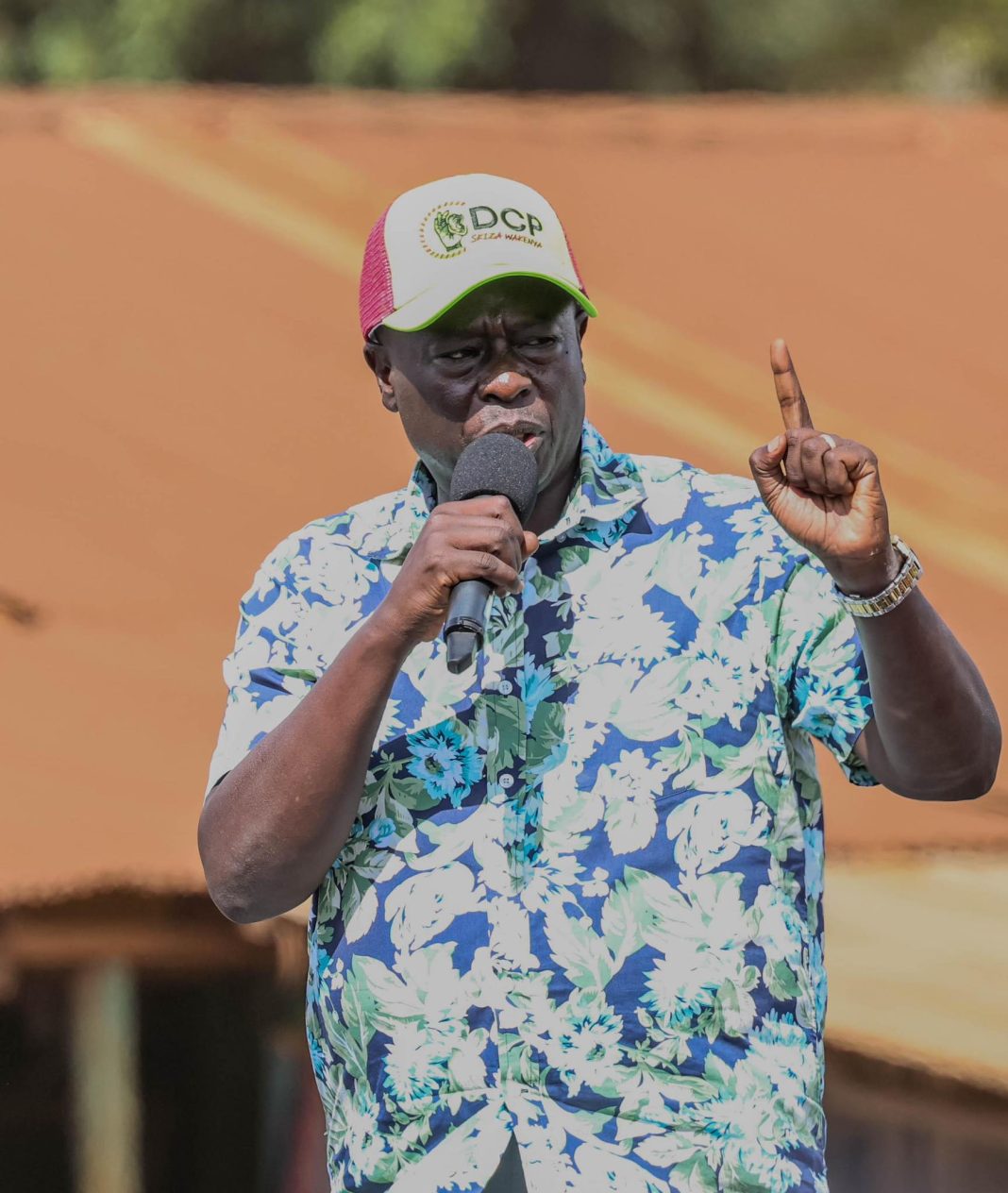
Former Deputy President Rigathi Gachagua has launched a scathing attack on the proposed Budget Estimates and Finance Bill 2026/2027, describing the two documents as “twin evils” that will deepen the financial burden facing ordinary Kenyans.
Speaking on the proposals, Gachagua argued that the budget framework fails to address the pressing needs of wananchi and instead introduces measures that could make life more difficult for workers, small businesses and low-income households already grappling with a high cost of living.
According to Gachagua, the Finance Bill and Budget Estimates are structured in a manner that will increase the tax burden on salaried workers, manufacturers, small and medium-sized enterprises (SMEs), boda boda operators, mama mbogas and unemployed youth. He claimed that the proposals offer little relief to sectors that form the backbone of the country’s economy.
The former Deputy President maintained that a people-centred budget should focus on reducing the cost of living and creating opportunities for economic growth. He said priority should be given to affordable food, quality education, accessible healthcare, subsidised farm inputs and targeted support for micro, small and medium enterprises.
Gachagua further argued that strengthening household savings and increasing disposable income among citizens should be at the centre of government planning. He claimed that the current proposals instead favour a small section of the population while leaving millions of Kenyans exposed to greater economic pressure.
His remarks come at a time when debate over the country’s fiscal policies is expected to intensify ahead of parliamentary consideration of the Finance Bill and the national budget.
The former Deputy President called on leaders and wananchi to scrutinise the proposals carefully, insisting that public resources should be directed towards initiatives that directly improve livelihoods and stimulate economic activity.
He maintained that Kenya’s economic recovery depends on policies that empower farmers, traders, youth and small businesses rather than increasing the financial obligations they face.
The comments are likely to fuel fresh political debate over taxation and government spending, with supporters and critics expected to weigh in as discussions on the budget continue across the country.