





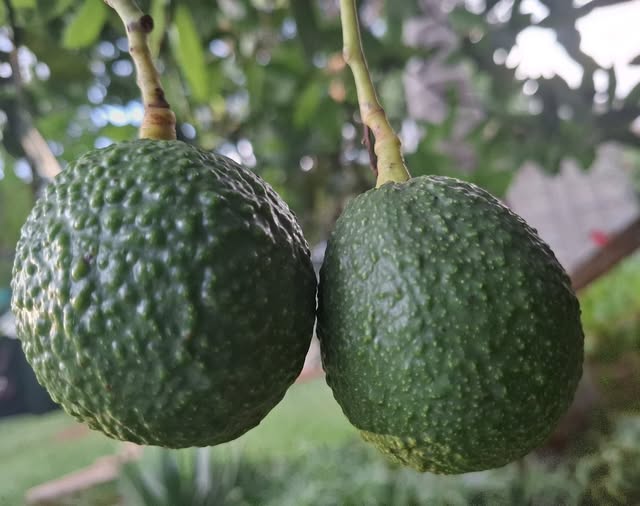
Avocado farmers across the country have received a boost after the Agriculture and Food Authority (AFA) officially cleared the export harvesting season, setting April 2 as the start date for sea shipments.
The announcement follows weeks of uncertainty after the regulator delayed the opening of the season due to concerns that the fruits had not reached the required maturity levels.
According to AFA, a field survey conducted between March 1 and 6 in key avocado-growing regions established that most of the produce was still immature, prompting the authority to extend restrictions on harvesting for export.
However, the latest assessment has shown significant improvement, paving the way for farmers and exporters to resume activities.
In a notice issued by AFA Director General Calistus Kundu, exporters have been directed to strictly adhere to new guidelines aimed at safeguarding quality and maintaining Kenya’s reputation in international markets.
“All fresh produce will be subject to packhouse inspection starting April 7, and exporters must apply for inspection at least three days before shipment,” the notice stated.
Exporters have also been required to submit a list of registered horticultural produce marketing agents or suppliers by March 30, with the authority warning that only licensed players will be allowed to participate in the export value chain.
Additionally, AFA has set April 30 as the official date for harvesting avocados intended for oil processing.
To enforce quality standards, the regulator has directed that all harvested fruits must be transported in crates. Exporters found using open pickups or trucks, or transporting produce without proper packaging, risk losing their licenses.
The authority raised concern over reports of premature harvesting by some players, noting that the practice threatens market access and could negatively impact farmers’ earnings.
As a result, AFA has announced intensified surveillance of packhouses and processing facilities, warning that those found handling immature fruits will face deregistration or revocation of export licenses.
Meanwhile, in Murang’a County, security concerns have also emerged, with authorities warning against rising cases of avocado theft from farms.
County Commissioner Hassan Bule has directed security agencies to crack down on suspects, stating that illegal activities deny farmers the benefits of their hard work.
He further warned that only licensed dealers will be allowed to buy produce directly from farms, citing concerns that unauthorized brokers contribute to theft through illegal buying centres.
The combined measures by AFA and local authorities are expected to restore order in the sector, protect farmers, and ensure Kenya maintains its competitive edge in the global avocado market.


 officially cleared the export harvesting season, setting April 2 as the start date for sea shipments.)
I adore gathering useful information , this post has got me even more info! .
Spotted wc99game and decided to jump in. It’s alright, you know? Got some games to kill time with. Nothing groundbreaking, but it’s decent enough for a quick session. Give it a go! wc99game
Alright dudes, anyone else trying to sign up for j777? That j777loginregister process was a bit clunky, but hopefully worth it for the games! Let me know your experience at j777loginregister
4h2rp2
You are my aspiration, I possess few web logs and infrequently run out from to post : (.