





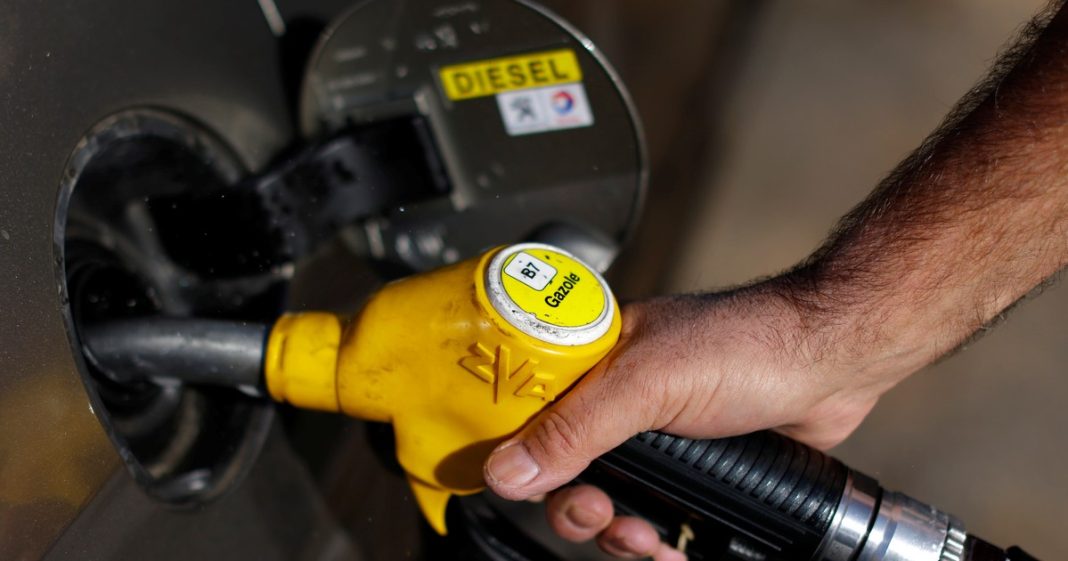
The ongoing crisis involving Iran is sending shockwaves across global oil markets, with African countries experiencing uneven fuel price pressures despite being major oil producers.
The disruption of tanker traffic through the strategic Strait of Hormuz, a key global oil transit route, has driven up crude prices, triggering ripple effects across economies that rely heavily on imported petroleum products.
For Africa, the impact is significant. Rising fuel prices are threatening to drive inflation higher, increase transport and production costs, and stretch already constrained government budgets.
However, the effect is not uniform across the continent. Africa’s top oil-producing nations—including Nigeria, Angola, Algeria, Libya and Egypt—are experiencing sharply different outcomes due to varying policy approaches and market structures.
Nigeria appears to be the most affected. With a deregulated fuel pricing system, global price shocks are directly passed on to consumers. Petrol prices in the country have risen by about 39 per cent, reflecting the full impact of the global oil surge.
In contrast, countries like Angola and Algeria have managed to cushion their populations through subsidies and state-controlled pricing systems. These measures have helped stabilise fuel costs locally, even as global prices climb.
Egypt has taken a middle-ground approach, gradually adjusting fuel prices to balance inflation concerns with the need to reduce subsidy burdens. Meanwhile, Libya remains an outlier, maintaining some of the lowest fuel prices globally due to heavy government subsidies that shield consumers from international market fluctuations.
The situation highlights a critical reality: having oil reserves does not automatically protect a country from global price shocks. Instead, domestic policies, refining capacity, and pricing systems play a decisive role in determining how the impact is felt at the pump.
Across the continent, governments are now grappling with the challenge of managing rising costs while protecting citizens from the full brunt of the crisis. For many countries, especially those reliant on imports, the pressure is likely to intensify if global oil prices remain elevated.
Economists warn that prolonged instability in global oil supply chains could deepen economic strain, affecting key sectors and slowing growth. As a result, there are growing calls for African nations to invest in local refining capacity and diversify energy sources to reduce vulnerability to external shocks.
The unfolding situation underscores the interconnected nature of global energy markets and the need for strategic policy responses to shield economies from volatility.

I am glad to be a visitor of this utter website! , thankyou for this rare information! .
I simply couldn’t go away your website prior to suggesting that I really loved the usual info an individual supply to your visitors? Is going to be back regularly to check up on new posts