






Kiambu Level 5 Hospital has stepped up efforts to improve maternal and newborn healthcare following major upgrades to its Newborn Unit (NBU), aimed at reducing infant mortality and improving survival rates for premature and critically ill babies.
The expanded unit now features advanced neonatal care facilities, including incubators, Continuous Positive Airway Pressure (CPAP) machines for breathing support, phototherapy equipment for jaundice treatment, and continuous monitoring systems to track infants’ vital signs.
With the upgrade, the facility can now accommodate up to 100 newborns, doubling its previous capacity of 50 babies.
During a tour of the unit, medical staff explained that the facility has been structured to provide specialized care depending on a newborn’s condition, weight, and medical needs.
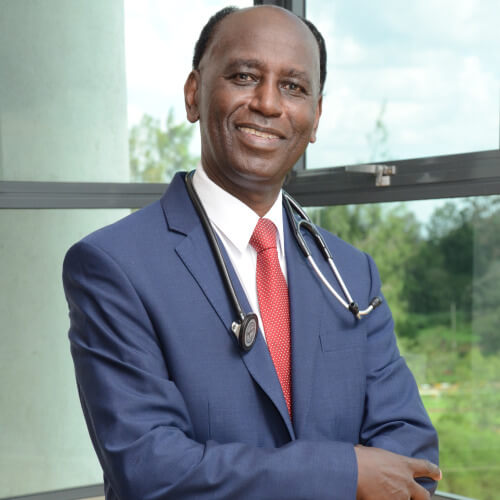
Pediatrician Dr. Sophie Musoma said the unit is divided into different sections to ensure tailored treatment for each baby admitted.
She noted that extremely premature babies, especially those weighing below 1.6 kilograms, are placed in highly monitored environments where they receive intensive care and constant observation.
The acute care room serves as the first point of admission for critically ill newborns transferred from the maternity wing. Here, medical teams assess breathing, circulation, temperature, feeding ability, and oxygen levels before stabilizing the infants.
Dr. Musoma explained that babies are immediately placed on assisted oxygen support if needed, depending on their condition upon arrival.
The hospital has also strengthened infection prevention measures within the unit, including controlled room temperatures, designated hand-washing stations, shoe racks, and restricted movement to maintain a sterile environment.
Once stabilized, premature babies are transferred to specialized pre-term rooms and Kangaroo Mother Care (KMC) wards, where mothers remain closely involved in their babies’ recovery through skin-to-skin contact and regular breastfeeding.
Dr. Musoma emphasized that exclusive breastfeeding remains a key part of care, with mothers encouraged to express milk or feed their babies frequently until they reach a safe discharge weight.
She added that infants are typically discharged once they attain around 1.9 kilograms and show stable health progress.
The unit also has a dedicated isolation area for abandoned infants and referred cases that require close monitoring before joining general wards.
Nurse Virginia Njoki said every newborn admitted undergoes immediate assessment, including blood sugar checks for premature babies who are at risk of hypoglycemia.
Clinical Officer Hillary Bosuben further noted that oxygen saturation levels are checked immediately to determine whether respiratory support is necessary.
The neonatal upgrade forms part of wider investments by Kiambu County aimed at strengthening healthcare infrastructure and improving maternal and child health outcomes across the region.
Officials say the improvements are expected to significantly enhance survival rates for newborns while easing pressure on families seeking specialized neonatal care services within the county.

, aimed at reducing infant mortality and improving survival rates for premature and critically ill babies.)