





Fresh questions have emerged over the collection of the Affordable Housing Levy after Auditor-General Nancy Gathungu flagged weaknesses within the Kenya Revenue Authority (KRA) systems that may have led to significant revenue losses.
The concerns were raised before the National Assembly Departmental Committee on Finance and National Planning as lawmakers reviewed proposals contained in the Finance Bill, 2026.
According to the Auditor-General, KRA failed to onboard all eligible taxpayers onto the Affordable Housing Obligation platform, creating loopholes that undermined the effective collection of the levy. The findings have sparked debate over the efficiency of revenue collection mechanisms at a time when the government is seeking additional funds to support its development agenda.
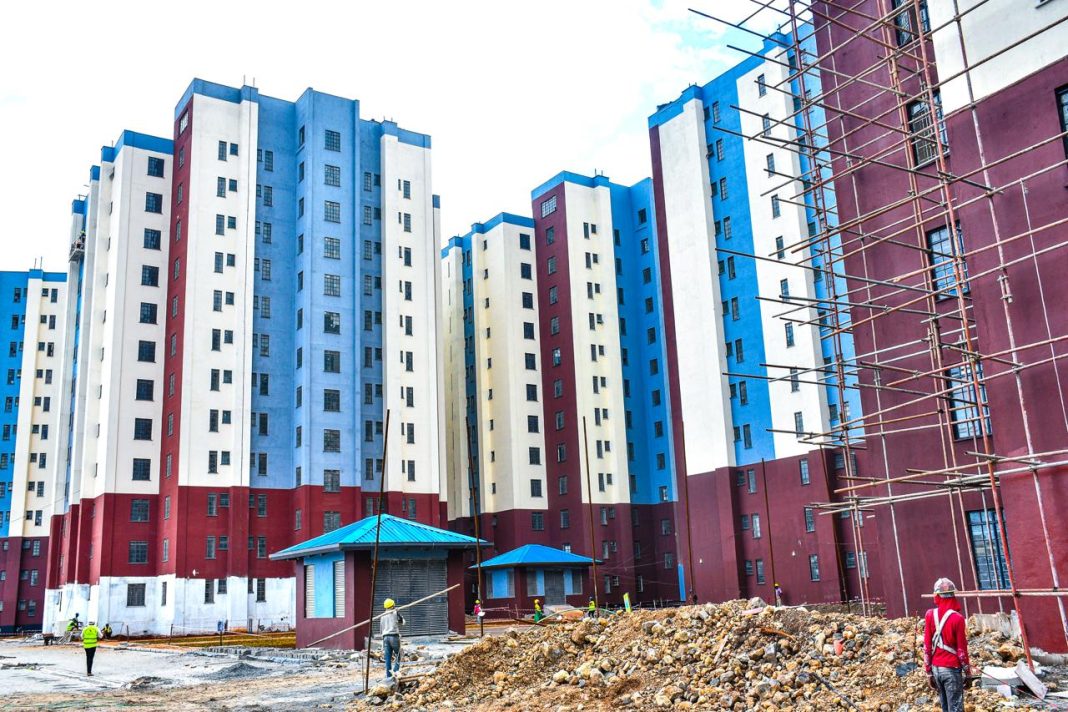
The Affordable Housing Levy is one of the key funding streams for the government’s affordable housing programme, a flagship initiative under the Bottom-Up Economic Transformation Agenda (BETA). The levy is deducted from employees’ salaries and matched by employers, with the funds directed towards housing and related infrastructure projects.
However, the latest audit findings indicate that weaknesses in implementation may have prevented the government from collecting all revenue due from eligible contributors.
Appearing before the parliamentary committee, Gathungu warned that continued inefficiencies within tax administration systems could affect the accuracy of government revenue projections and planning.
She noted that recurring revenue shortfalls should serve as a warning against relying on ambitious collection targets without first addressing existing gaps within tax administration and compliance systems.
The concerns over the housing levy formed part of a broader review of KRA operations. The Auditor-General also identified other challenges, including outstanding tax debts, compliance failures, issuance of Tax Compliance Certificates to taxpayers with pending obligations, missing excise stamps and the processing of imports using expired Gazette Notices.
Members of Parliament sitting in the Finance Committee expressed concern over the findings, with some lawmakers arguing that government agencies should focus on sealing revenue leakages before introducing additional tax measures on Kenyans.
The revelations come as Parliament continues deliberations on the Finance Bill, 2026, which is expected to play a key role in shaping the government’s revenue-raising strategy for the 2026/27 financial year.
Lawmakers are now expected to engage KRA officials for further clarification on the issues raised by the Auditor-General and seek explanations on measures being taken to improve efficiency in tax collection.
The findings are likely to intensify scrutiny of the Affordable Housing Levy and reignite debate on accountability, transparency and efficiency in the management of public revenue.


 systems that may have led to significant revenue losses.)