





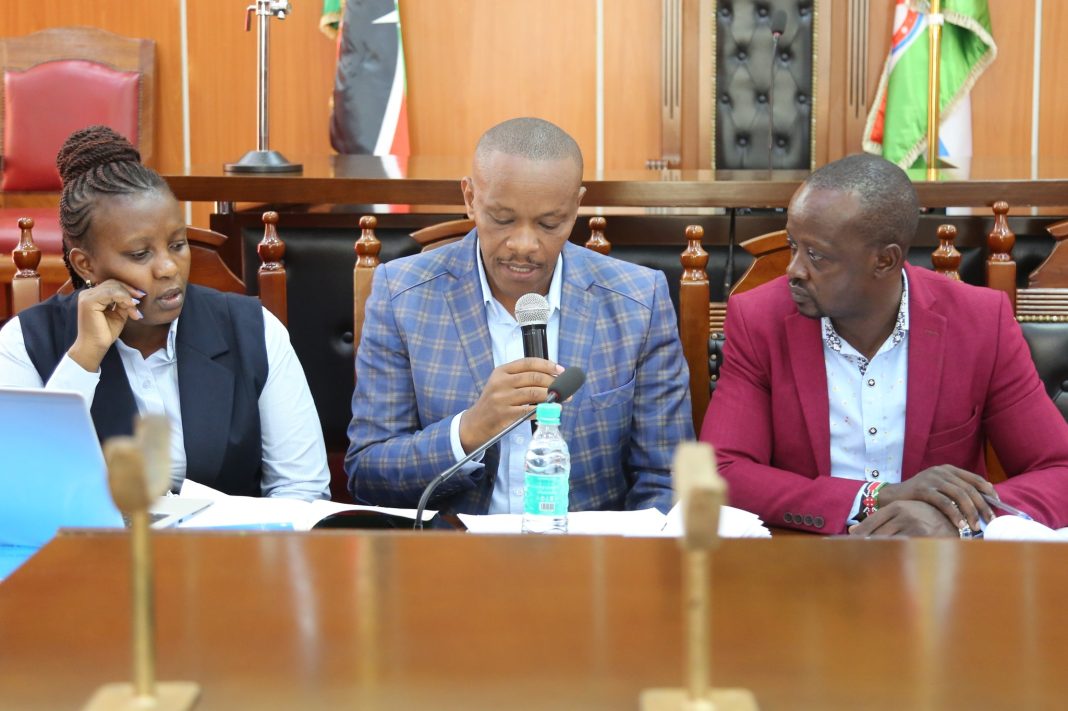
The Kiambu County Assembly’s Public Accounts and Investments Committee (PIAC) has put Ruiru, Juja Water and Sewerage Company (RJWASCO) under scrutiny over rising debts, ageing infrastructure and high water losses flagged in the latest Auditor General’s report.
During a session held on March 25, 2026, the committee, chaired by Kahawa Sukari MCA Kennedy Obudho and deputised by Kikuyu Township MCA Kamau Boro, engaged the utility’s management led by Managing Director Mary Karoba to respond to audit queries for the 2024/2025 financial year.
At the centre of the deliberations was a growing backlog of unpaid customer bills exceeding 120 days. MCAs expressed concern that the trend could weaken the company’s revenue base and affect its ability to deliver services effectively.
In response, the management attributed the drop in revenue collection efficiency—from 90 per cent to 82 per cent—to customer adjustments following recent tariff changes. The firm noted that enforcement measures, including water disconnections for defaulters, had been temporarily eased, but added that payment trends had begun to improve in recent months.
PIAC directed the company to submit a detailed report within 14 days outlining all defaulting customers and updated debt figures as of February 2026, signalling the committee’s push for accountability and stricter compliance.
The committee also raised concerns over the continued use of fully depreciated assets such as computers and civil infrastructure, questioning why they had not been revalued to reflect their current economic value.
RJWASCO management clarified that asset revaluation is undertaken every five years, with the last exercise conducted in 2022 and the next scheduled for 2027. They added that ongoing system upgrades would gradually replace outdated infrastructure.
Non-revenue water (NRW) losses also came under sharp focus after the audit revealed the company had exceeded the recommended loss threshold. High NRW levels, often linked to leakages, illegal connections and inefficiencies, pose a significant threat to sustainability and profitability in water service provision.
The management reported a slight improvement, indicating that NRW levels had dropped to 47 per cent in January and February 2026. They cited enhanced monitoring systems and tighter internal controls as part of ongoing measures to curb losses.
The session concluded with the committee acknowledging steps taken by the utility to address the concerns, while urging sustained efforts to improve financial discipline, strengthen operations and ensure reliable water supply to residents.

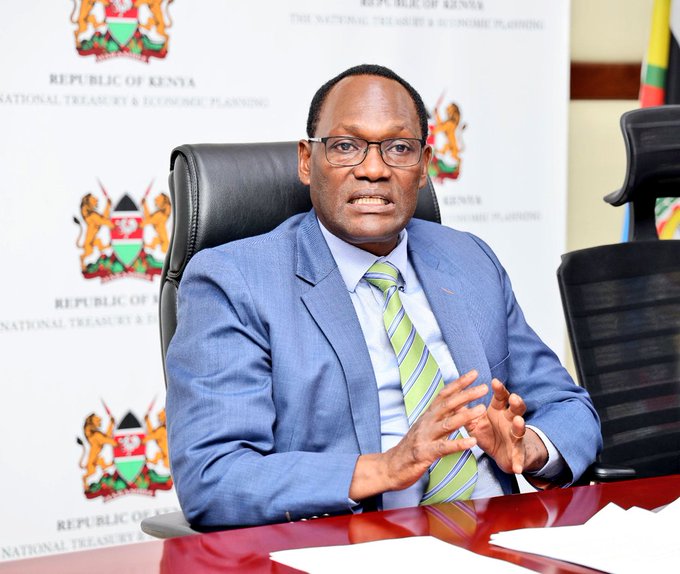
 has put Ruiru, Juja Water and Sewerage Company (RJWASCO) under scrutiny over rising debts, ageing infrastructure and high water losses flagged in the latest Auditor General’s report.)