





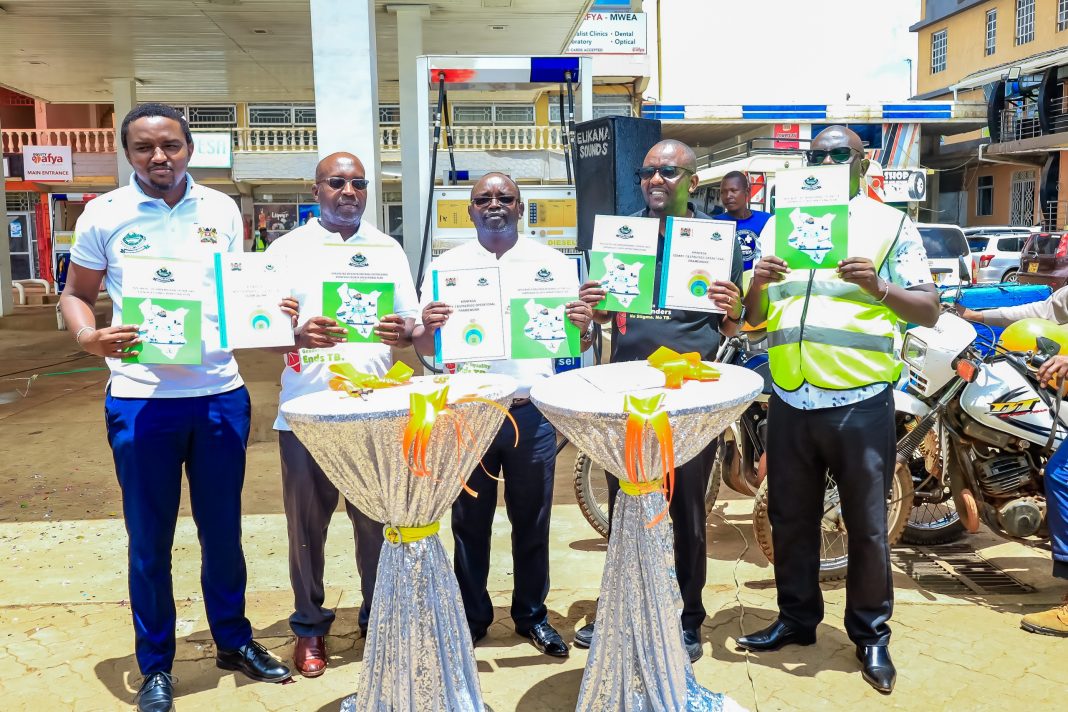
Kirinyaga County has unveiled a comprehensive strategy aimed at strengthening the fight against tuberculosis (TB), with a strong focus on early diagnosis and timely treatment to address rising cases of undetected infections.
The new Kirinyaga County Strategic Operational Framework for Tuberculosis seeks to streamline response efforts by ensuring TB control measures are coordinated, data-driven and centred around community needs.
Speaking during the World Tuberculosis Day commemoration held on March 24, 2026, Health Executive George Karoki raised concern over the high number of undiagnosed TB cases, warning that delayed detection continues to fuel transmission and increase treatment costs.
“We are still missing cases, especially among men who seek treatment late. When TB is diagnosed late, it spreads faster, becomes more expensive to manage and leads to more deaths,” said Karoki.
To tackle this, the county government plans to expand TB services across both public and private health facilities while integrating TB care into routine health services. The strategy also prioritises prevention and early case detection.
In a major step towards improving diagnostics, the county launched the Integrated Sample Referral System Guidelines, which will facilitate faster transportation of patient samples from remote health centres to laboratories at sub-county, county and national levels.
Karoki noted that the system will ensure patients in far-flung areas receive timely diagnosis and treatment, reducing delays that often worsen outcomes.
Health officials also warned against failure to complete TB medication, noting that it increases the risk of developing drug-resistant TB, which is harder and more costly to treat.
Kirinyaga County Director of Health Services Esbon Gakuo revealed that 1,500 TB cases were recorded in 2025, underscoring the need for urgent intervention.
Currently, the county operates 107 TB service points, including 70 public health facilities and 30 private partners, all offering free testing and treatment.
To enhance diagnostic capacity, GeneXpert machines have been installed in key hospitals, including Kerugoya County Referral Hospital, Kimbimbi, Sagana and Thiba, enabling quick and accurate detection of TB and drug-resistant strains.
Additionally, a 24-bed TB isolation unit has been set up at Kerugoya County Referral Hospital to handle patients requiring specialised care, while digital X-ray services have been introduced to boost early screening.
Health officials are now urging residents to take advantage of the available services and seek testing early, especially those experiencing symptoms such as persistent cough, fever, night sweats and unexplained weight loss.
TB survivors who shared their experiences emphasised the importance of early diagnosis and strict adherence to treatment, noting that timely care can save lives and prevent further spread of the disease.
, with a strong focus on early diagnosis and timely treatment to address rising cases of undetected infections.)
It’s hard to find knowledgeable people on this topic, but you sound like you know what you’re talking about! Thanks
Great line up. We will be linking to this great article on our site. Keep up the good writing.