





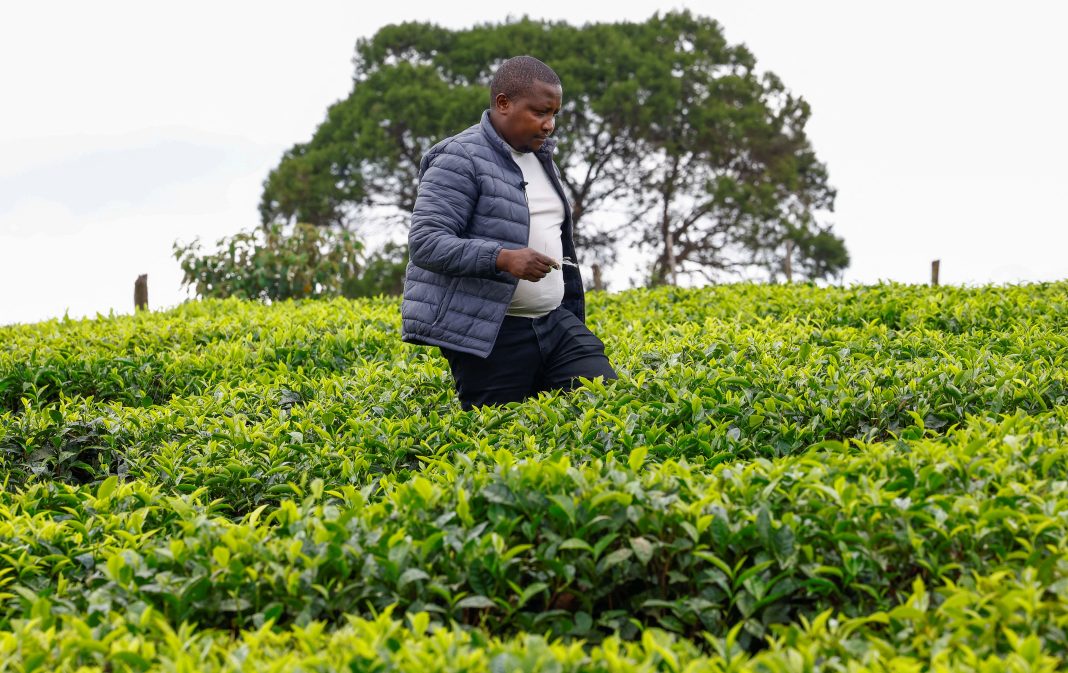
Kenya’s tea sector is facing fresh uncertainty following disruptions in exports linked to the ongoing conflict involving Iran, with reports indicating a growing stockpile of unsold produce across the country.
Industry players say the situation has slowed down shipments to key markets, affecting earnings for farmers and exporters who depend heavily on international demand. Iran has traditionally been one of Kenya’s major tea destinations, and any disruption in trade flows has immediate consequences for the sector.
Exporters are now grappling with delayed orders and logistical challenges, leading to a buildup of tea stocks in warehouses. The slowdown is also putting pressure on auction prices, raising concerns about declining incomes for farmers.
Stakeholders warn that if the situation persists, the impact could be felt across the entire tea value chain, from smallholder farmers to large-scale exporters. Many farmers rely on consistent sales to sustain their livelihoods, and prolonged delays could disrupt their financial stability.
The crisis comes at a time when the tea sector is already navigating global market uncertainties and fluctuating demand. With reduced shipments, traders are being forced to explore alternative markets, though this is proving to be a slow and uncertain process.
Exporters have called on the government to intervene and support the sector by facilitating access to new markets and cushioning farmers from potential losses. There are also growing calls for diversification to reduce overreliance on a few key export destinations.
The accumulation of tea stocks has further raised storage concerns, with limited capacity in some facilities. This could affect the quality of the produce if not addressed in time, potentially worsening the situation for exporters seeking to maintain international standards.
Despite the challenges, industry players remain hopeful that diplomatic efforts and improved stability in affected regions could restore normal trade operations. In the meantime, stakeholders are urging coordinated efforts to protect farmers and stabilise the sector.
The tea industry remains a key pillar of Kenya’s economy, supporting millions of households and contributing significantly to foreign exchange earnings. Any disruption in exports therefore carries wide-reaching implications for the country’s economic stability.
As the situation unfolds, attention will remain on how quickly markets recover and what measures are put in place to safeguard one of Kenya’s most valuable agricultural exports.



I know this if off topic but I’m looking into starting my own weblog and was wondering what all is needed to get set up? I’m assuming having a blog like yours would cost a pretty penny? I’m not very web savvy so I’m not 100 certain. Any suggestions or advice would be greatly appreciated. Many thanks
Good post but I was wanting to know if you could write a litte more on this topic? I’d be very grateful if you could elaborate a little bit more. Kudos!
I love the efforts you have put in this, regards for all the great articles.